Airline Bag Fees Are Rising Again: What Families Need to Know (and How to Save)
Airline bag fees are rising across Delta, United, Southwest, and more in 2026, now averaging $45–$50 per checked bag. Below is a full comparison of current fees and exactly how families can avoid paying hundreds extra per trip because airfare might look reasonable when you first search, but by the time you check out? That price has changed, sometimes astronomically!
Because in 2026, the real cost of flying isn’t just the ticket, it’s everything layered on top of it from fees for seat selection, early boarding and now, once again: checked bag fees are going up across nearly every major U.S. airline.
If you’re traveling as a family, this isn’t a small change. It adds up fast.
Here’s what’s happening, why it’s happening, and how to avoid paying more than you need to.
What’s Happening Right Now
In early April 2026, multiple airlines raised bag fees within days of each other:
Delta Air Lines
United Airlines
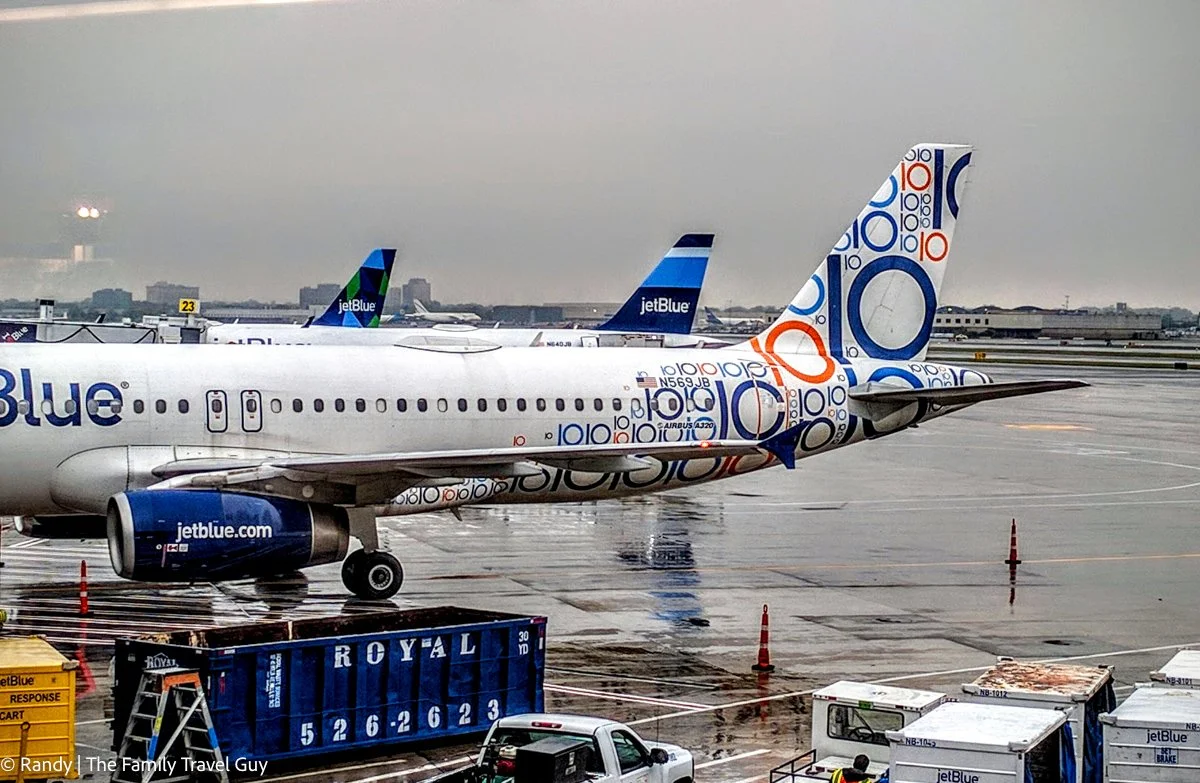
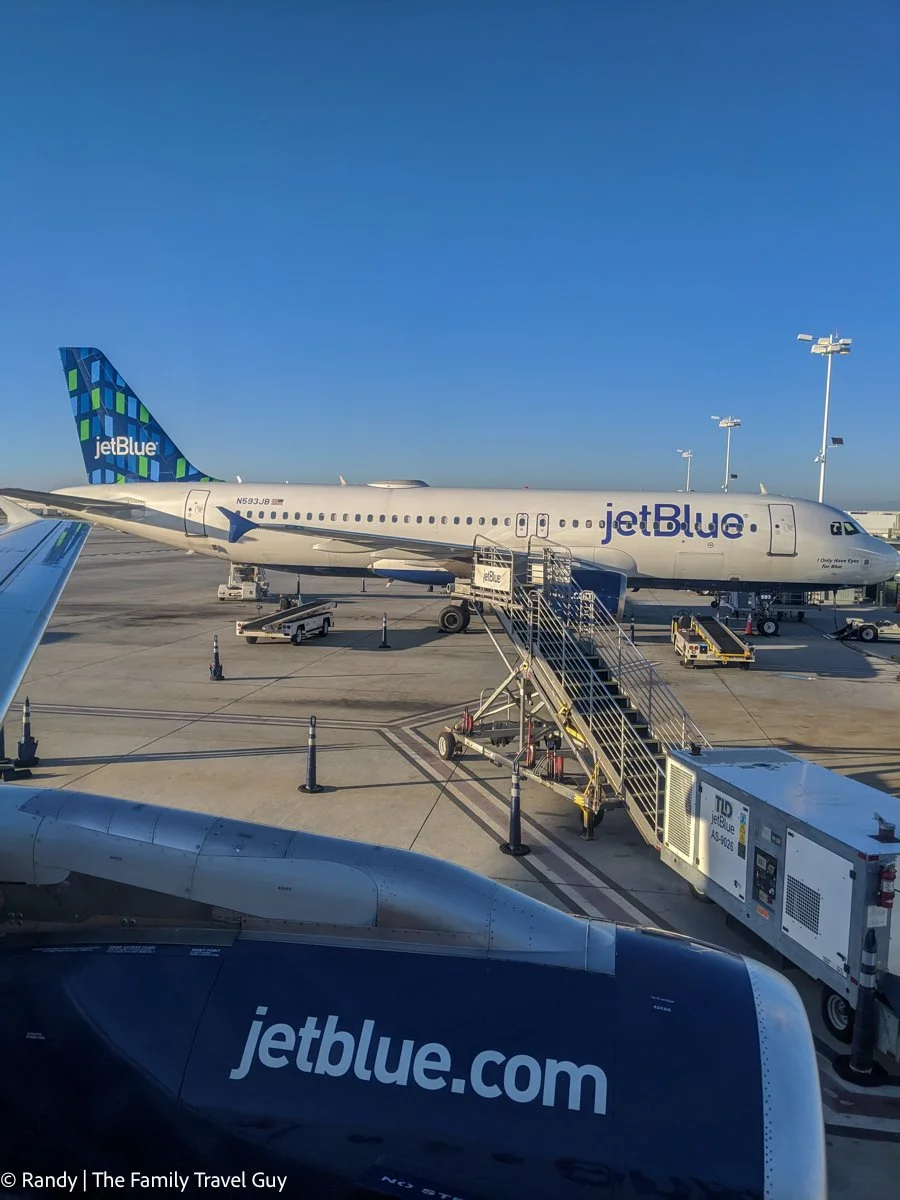
JetBlue
Southwest Airlines
And now even American Airlines has followed with increases.
This isn’t random, it’s how the airline industry works - one airline moves and the rest all follow. When regulators turn a blind eye and relax rules, standards and DOT regulations, you can bet these airlines businesses will try to make every last dollar of profit they can
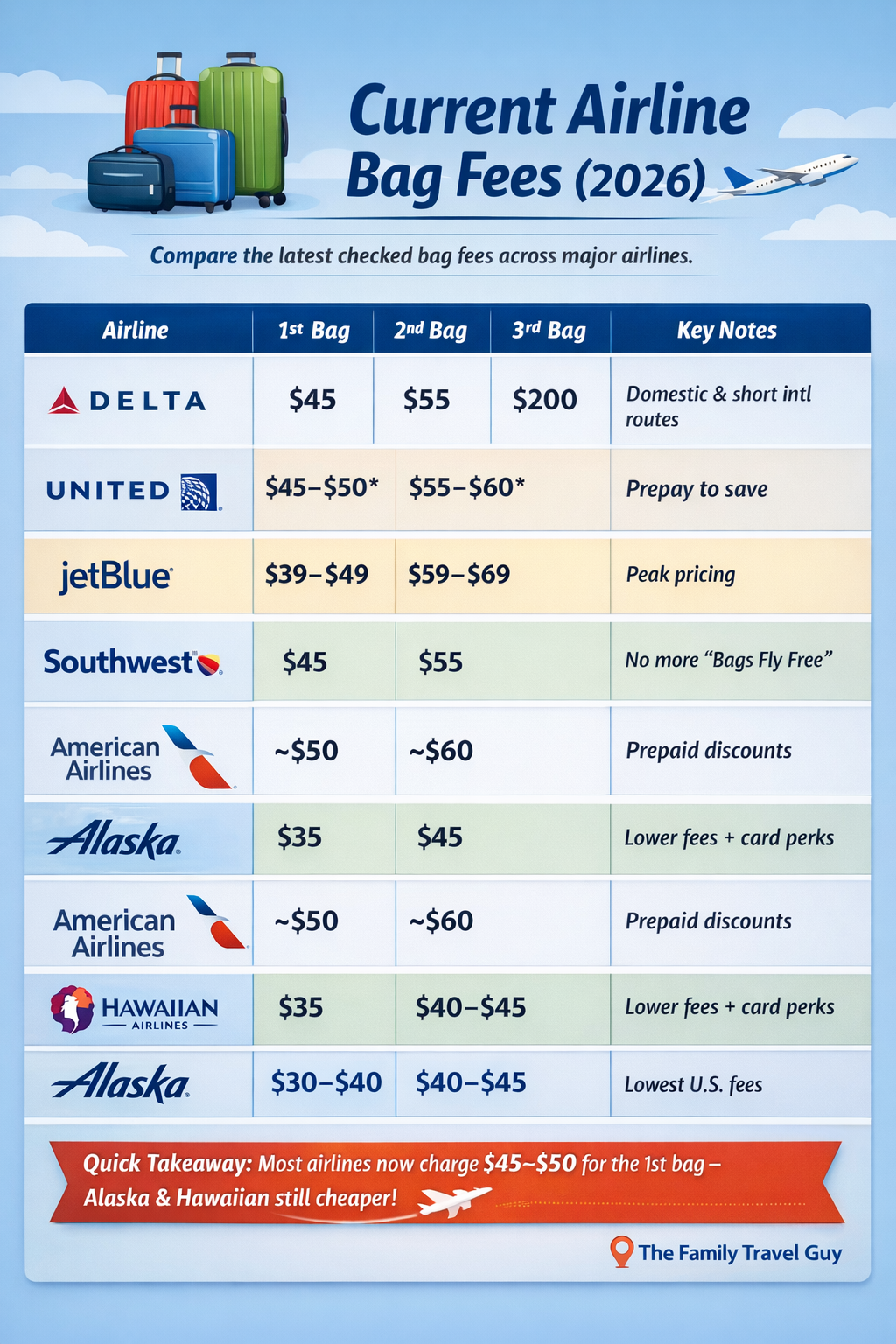
Current Checked Bag Fees (April 2026 Snapshot)
Here’s what you’re realistically paying right now for checked bag fees, as of April 2026:
The Reality
If history tells us anything:
Fees move in waves
Airlines match each other
Prices rarely go back down
Expect Alaska and Hawaiian to eventually follow.
Why Airlines Are Raising Bag Fees (The Real Story)
At first glance, this looks like simple price increases, but what’s really happening is more strategic.
1. Jet Fuel Costs Are Rising Fast
Fuel is one of the biggest expenses for airlines. And in 2026, jet fuel prices have surged significantly due to global supply pressures.
Airlines have to offset those costs somewhere and bag fees are one of the fastest ways to do it.
2. Bag Fees Are Extremely Profitable (and Tax-Advantaged)
This is the part most travelers don’t realize. When airlines raise ticket prices, they pay federal taxes on that revenue.
But when they raise baggage fees? They don’t pay those same taxes.
That means airlines can:
Keep base fares looking low
Shift costs into bag fees
Increase profits more efficiently
In simple terms: Bag fees are one of the most profitable ways airlines can raise prices.
3. It Fuels the Credit Card Ecosystem
Airlines are no longer just transportation companies, they’re a loyalty and credit card business as well. Free checked bags are one of the biggest perks tied to airline credit cards.
By increasing bag fees:
Credit card perks become more valuable
More travelers sign up
Airlines generate additional revenue through partnerships
4. The “Unbundled” Model Is Here to Stay
Airlines want to keep base fares competitive in search results. So instead of raising ticket prices, they separate everything: Base fare and then add on separate fees you wont realize and see until the end. These can include fees for checked bags, seats and other extras.
This makes flights look cheaper up front, but in reality, the cost is much higher.
5. Airlines Move Together
This is a copycat industry. When one airline raises fees, others follow quickly and that new pricing aligns across the market. This is exactly what we’re seeing now in April 2026.
Why This Hits Families the Hardest
If you’re traveling solo, you can usually get away with a carry-on for shorter trips. But for a family of four? That’s a different story.
Let’s keep it simple:
2 checked bags each way
~$45 per bag
That’s $180+ roundtrip just for luggage
And that’s before:
Seat selection
Snacks
Boarding upgrades
Suddenly your “cheap flight” isn’t cheap anymore and those perks, which used to be included, are now sold as a optional add-on service.
How to Actually Save Money (What Works in 2026)
Once you understand how airlines are pricing things, you can start playing the game smarter.
1. Get the Right Airline Credit Card
Most co-branded airline cards include free checked bags, priority boarding, faster miles earning and for families, this can easily save $200–$400 per trip.
2. Prepay for Bags (Always)
Always prepay for checked luggage, especially with United Airlines and JetBlue, since waiting until the airport can cost more.
3. Pack Smarter (Carry-On Strategy)
Packing smarter can help you save, but will only increase demand and competition for the overhead storage bins. Carry-on only means no bag fees, in most cases, but for families it may mean a little extra planning, including:
Sharing checked bags
Plan for laundry mid-trip
Use packing cubes
Even reducing one bag makes a real difference.
4. Choose Airlines Based on Total Cost
Don’t just compare airfare. Compare the entire cost when possible, which would include:
Ticket price
Checked bags fees
Seats fees
Sometimes a higher fare can lead to a cheaper overall trip if you have access to savings from having a co-branded credit card or airline status what may waive certain fees.
5. Earn Status (If You Travel Often)
Frequent flyers still get:
Free bags
Better boarding
Fewer hidden costs
The Bigger Trend: Travel Is Getting More “Unbundled”
Airlines aren’t just raising prices, they’re changing how pricing works. You’re no longer buying a ticket. You’re building your travel experience piece by piece. And that’s not going away and appears to be staying.
Final Thoughts: Travel Smarter, Not Just Cheaper
If you take one thing from this:, let it be this: The cheapest flight is almost never the cheapest trip anymore.
Right now this is the airline travel reality:
Bag fees are rising fast
Airlines are aligned on pricing
Families feel it the most
But if you understand the system? You can still come out ahead, sometimes.
The playbook is simple:
Use the right credit cards
Pack smarter
Prepay everything
Focus on total cost and not just the initial airfare price
Because once you do that, you’re not just saving money, you’re traveling smarter and maximizing your benefits.