The Ultimate Japan Family Travel Guide (Osaka, Kyoto & Tokyo)
Japan had been on our list of places to visit for a long time, but planning a trip here with kids felt different than anywhere else we’ve traveled. Between the language barrier, transportation system, and sheer number of things to see and do, it can feel overwhelming at first.
After spending time across Osaka, Kyoto, and Tokyo as a family of four, this guide breaks down exactly how we approached the trip, what worked well, and what we would recommend for families looking to experience Japan for the first time.
This is not meant to be an hour-by-hour itinerary. Instead, think of it as a practical framework you can follow, adapt, and build on depending on your travel style.
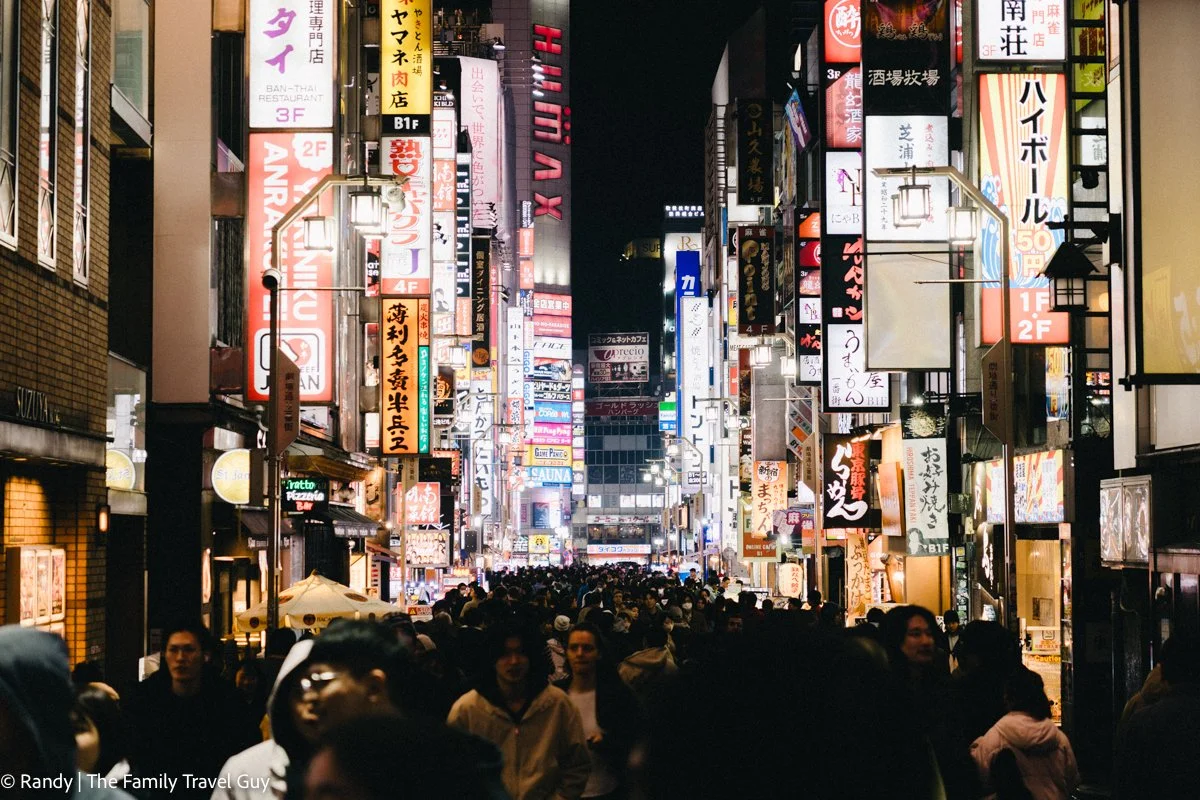
Why Japan Works So Well for Families
Japan is one of the easiest countries in the world to travel with kids once you’re on the ground.
Everything is clean, organized, safe and efficient when compared to may other countries we’ve had the opportunity to visit.
Public transportation is reliable and easy to navigate, even if it looks intimidating at first. People are helpful, signage is clear, and the overall experience feels very structured compared to many other international destinations. What stood out most for us was how seamless everything felt, from airports to trains to hotels.
Arriving into Kansai International Airport, we were through customs and ready to go in about 15 minutes, which set the tone for the rest of the trip.
Our 8-Day Japan Family Itinerary Overview
This itinerary balances city exploration, cultural experiences, and kid-friendly highlights without trying to do too much in a single day.
Days 1–3: Osaka & Kyoto
Day 3: Travel from Osaka to Tokyo on Japan’s High-Speed Train, called the Shinkansen
Days 4–8: Tokyo
This route works well because it minimizes backtracking and allows you to ease into Japan before finishing in Tokyo.
Osaka: The Perfect Introduction to Japan
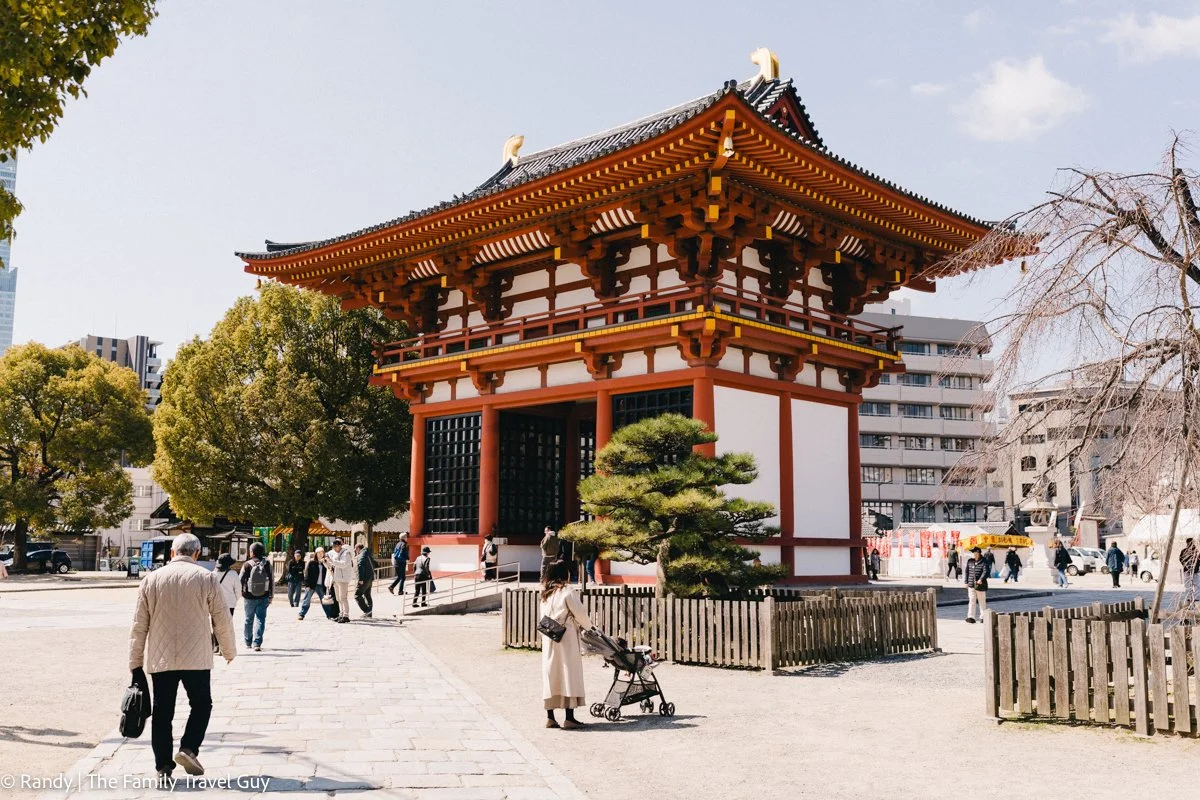
Osaka is often referred to as “Japan’s kitchen,” and it’s the perfect place to start your trip. It’s energetic, food-focused, and easier to navigate than Tokyo, which makes it ideal for adjusting after a long flight.
What We Did
In one full day, we covered:
Osaka Castle
Shitenno-ji Temple
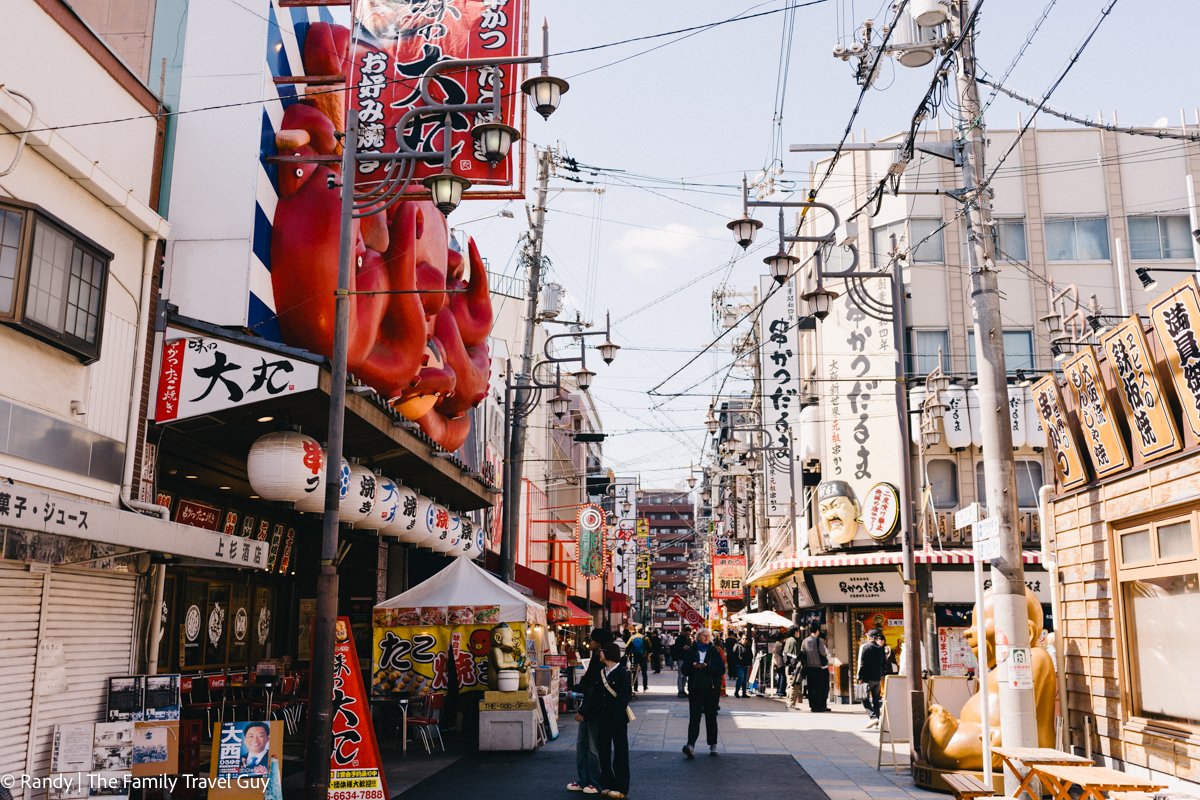
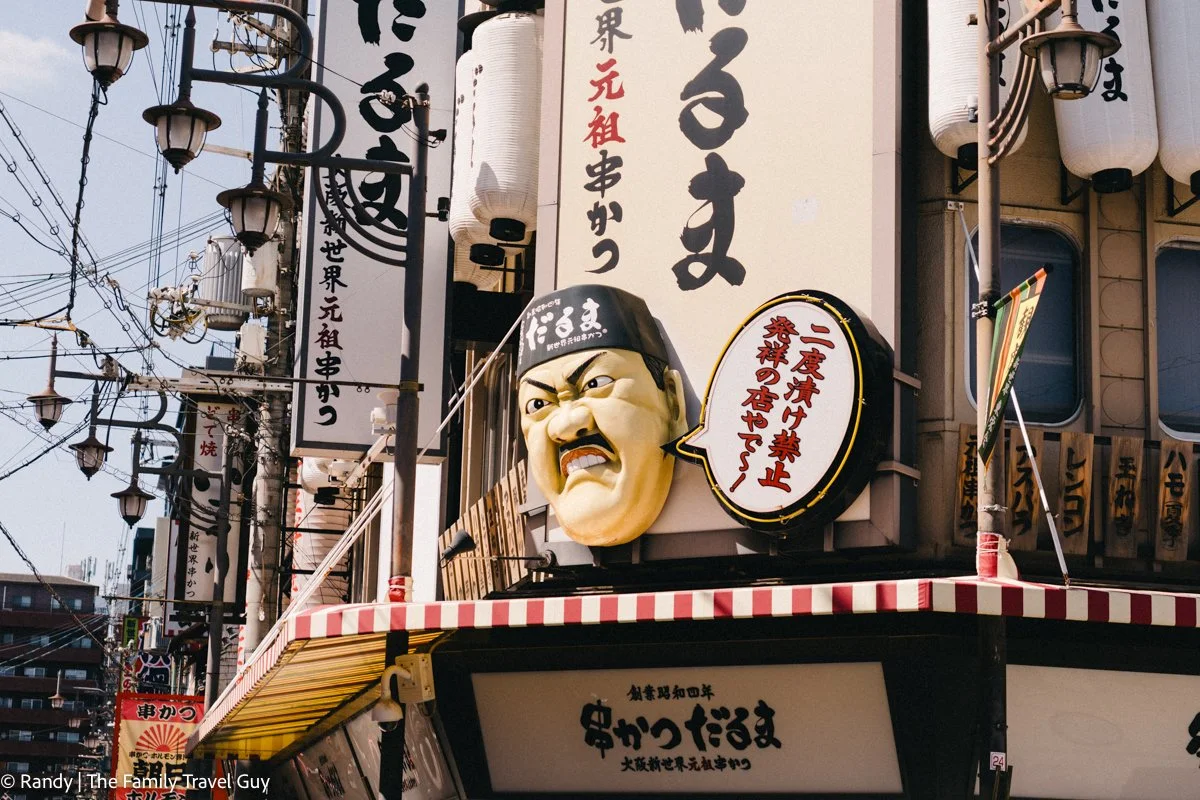
Shinsekai
Namba Yasaka Shrine
Dotonbori
Umeda Sky Building
It sounds like a lot, but with a private guide and efficient transportation, it flowed really well.
One of the unexpected highlights was that our guide turned out to be a well-known TV and radio personality in Japan, which added a fun layer to the day.
Food Highlights in Osaka
Osaka is where the food experience really started for us.
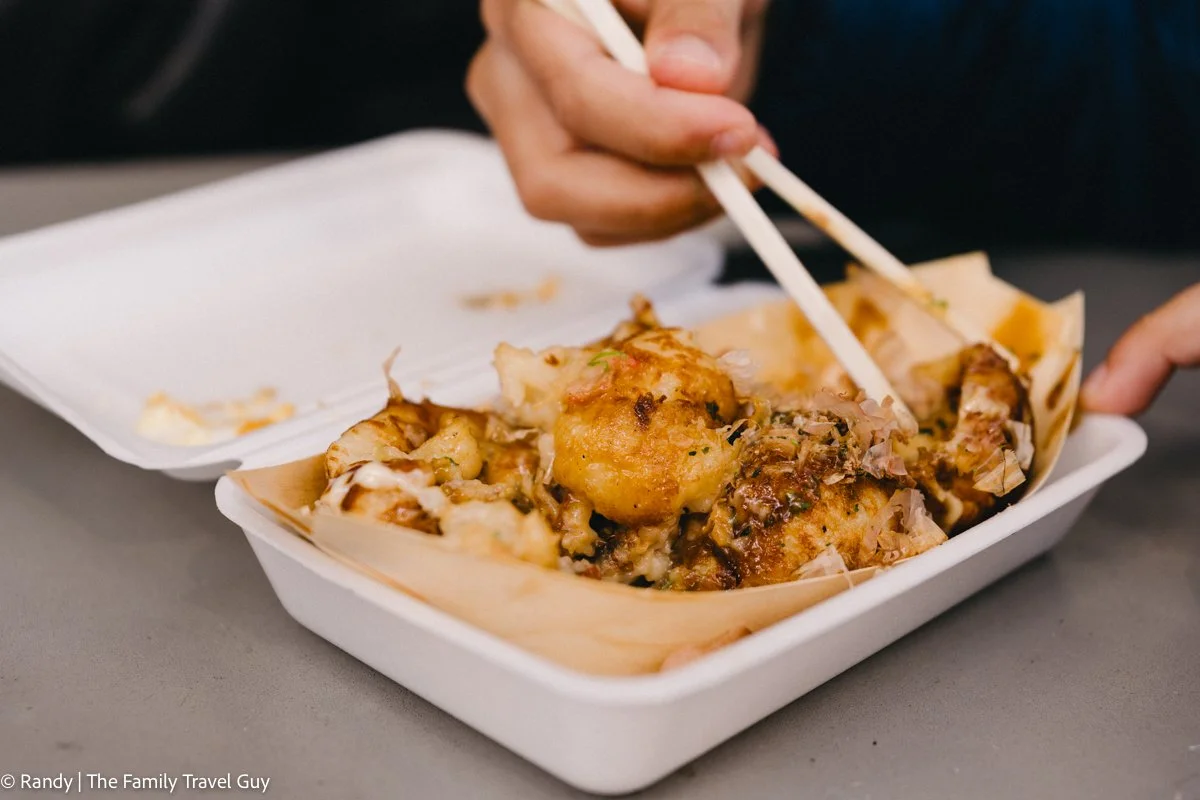
Takoyaki in Shinsekai
Mochi and strawberry candy in Dotonbori
A small, family-run restaurant that’s been operating for decades
Dinner at Time Out Market Osaka to keep things easy for the kids
This mix of street food and casual dining worked perfectly, especially with jet lag still in play.
Kyoto: Culture, Temples, and a Slower Pace
Kyoto offers a completely different feel compared to Osaka. It’s quieter, more traditional, and focused on temples, shrines, and cultural experiences.
What We Did
We visited Kyoto with a private guide, which made a big difference in navigating the city efficiently.
Highlights included:
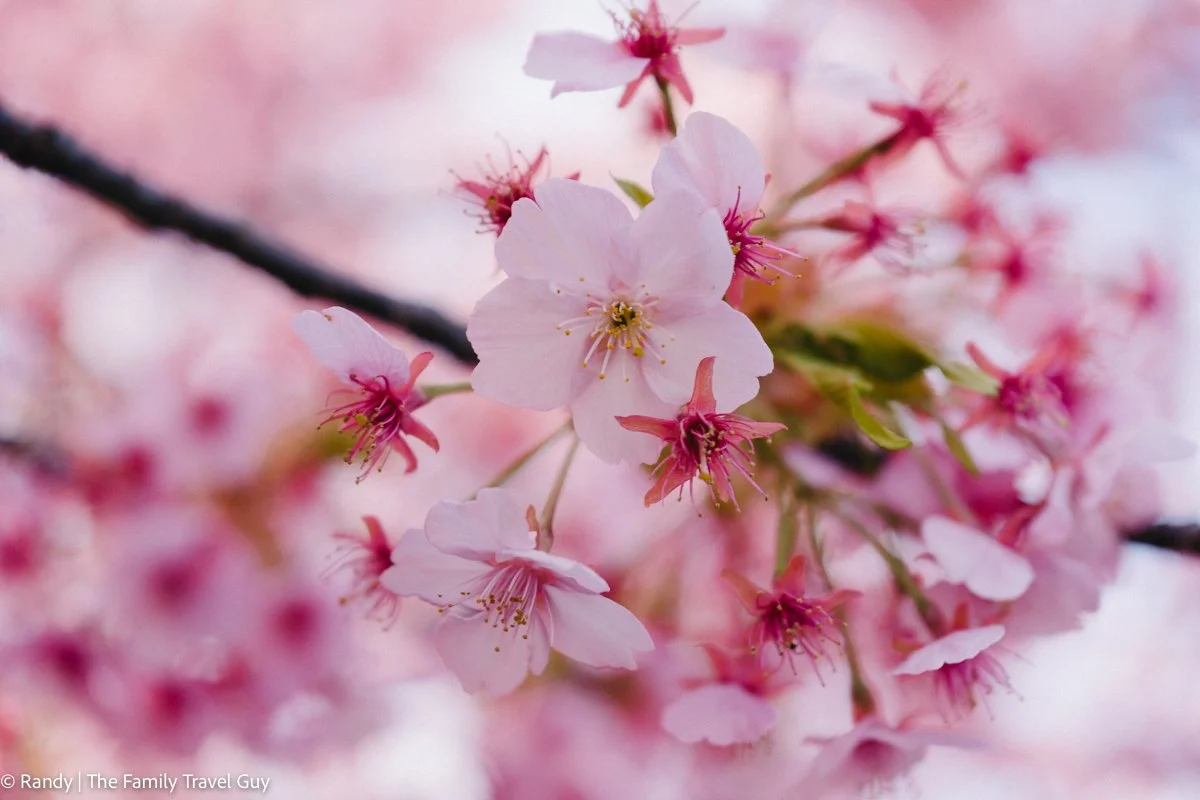
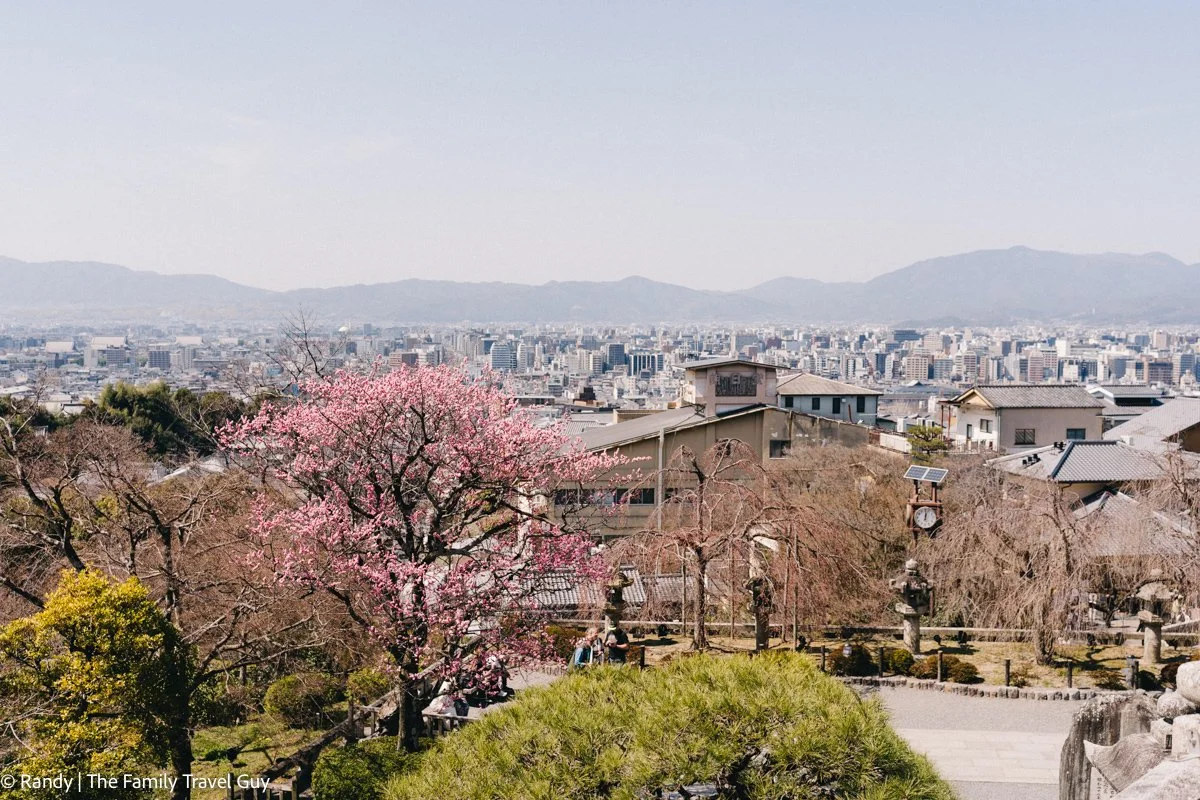
Cherry blossoms in Yodo (Kawazu-Zakura trees)
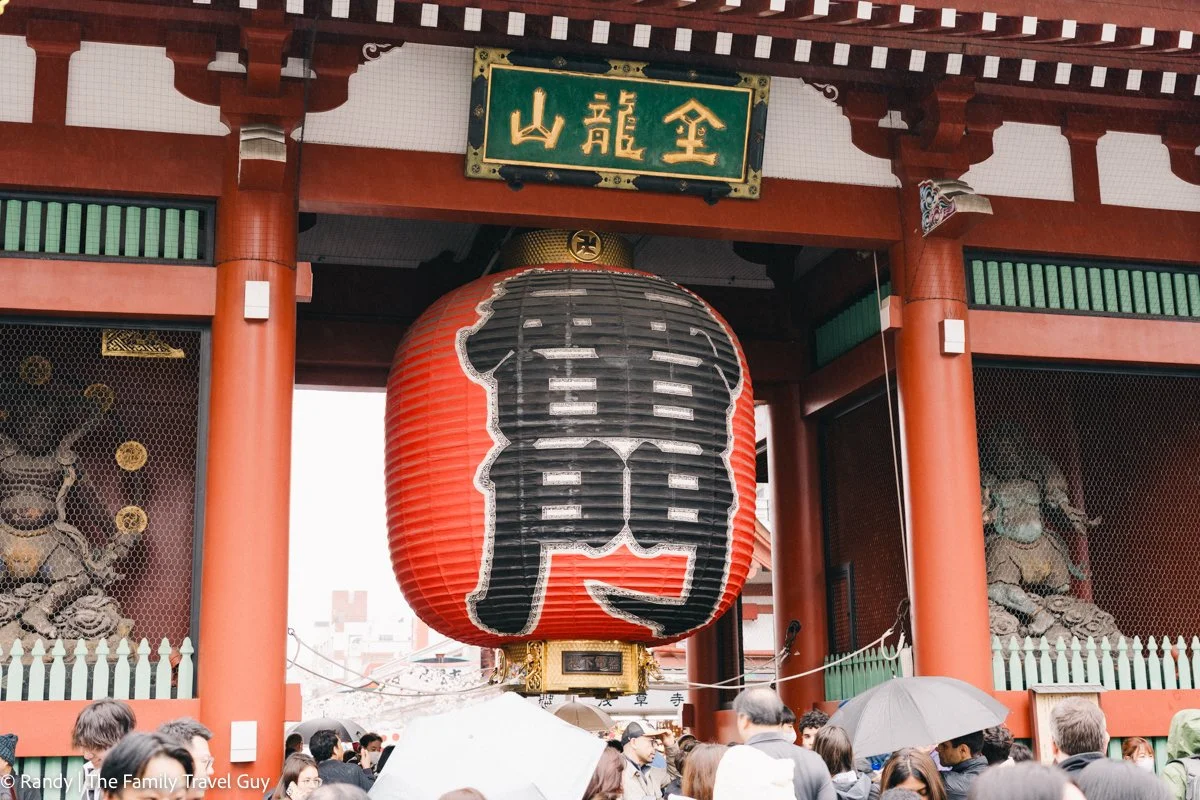
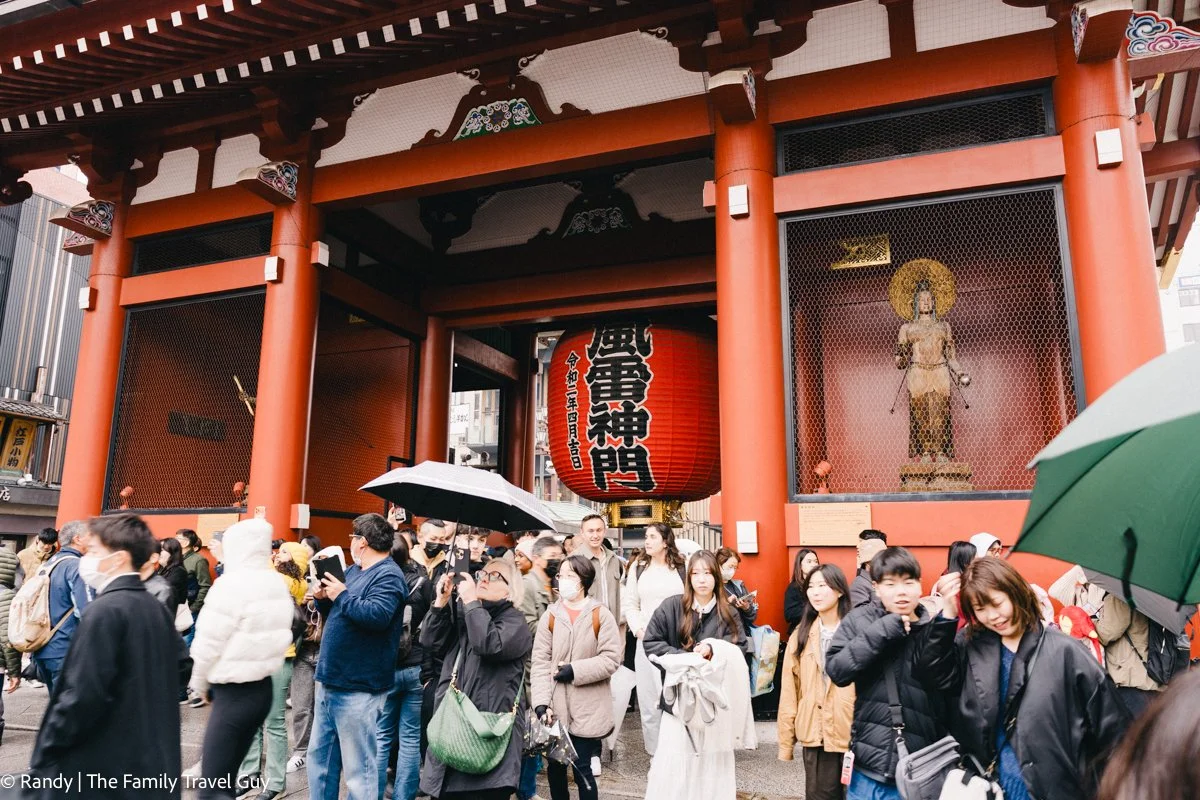
Walking through Gion
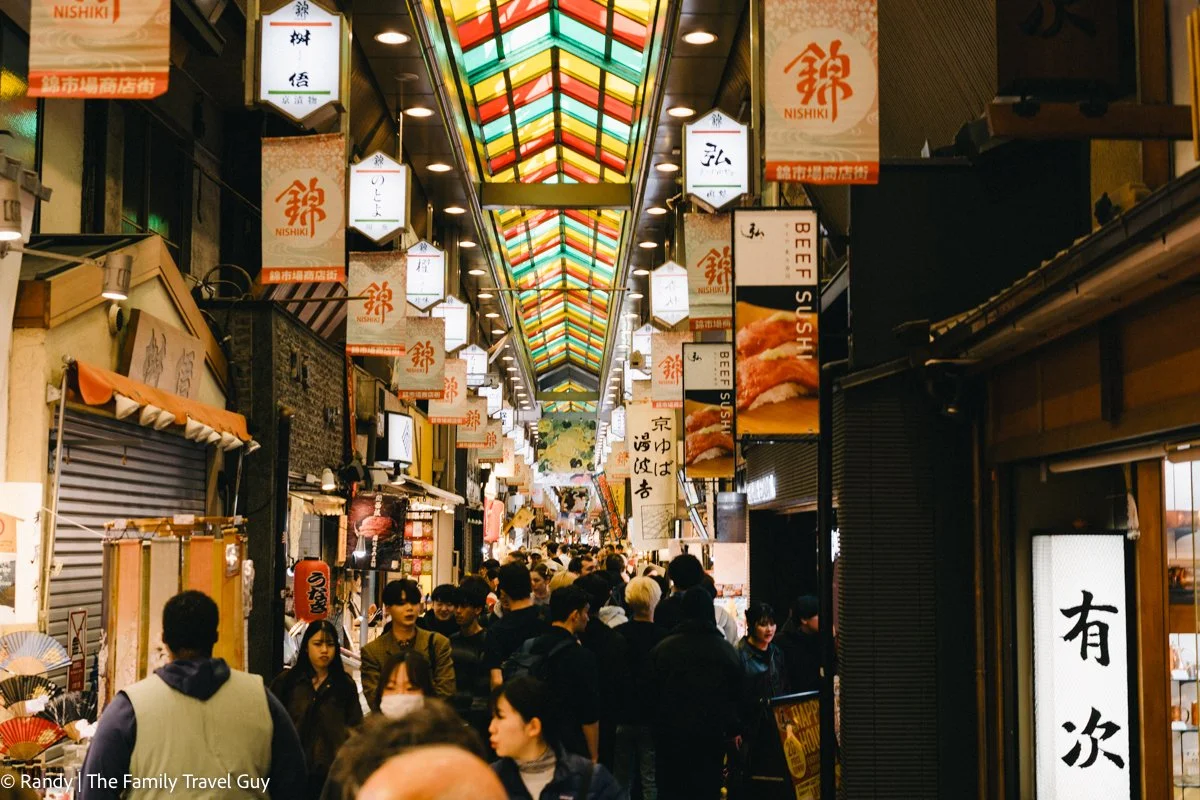
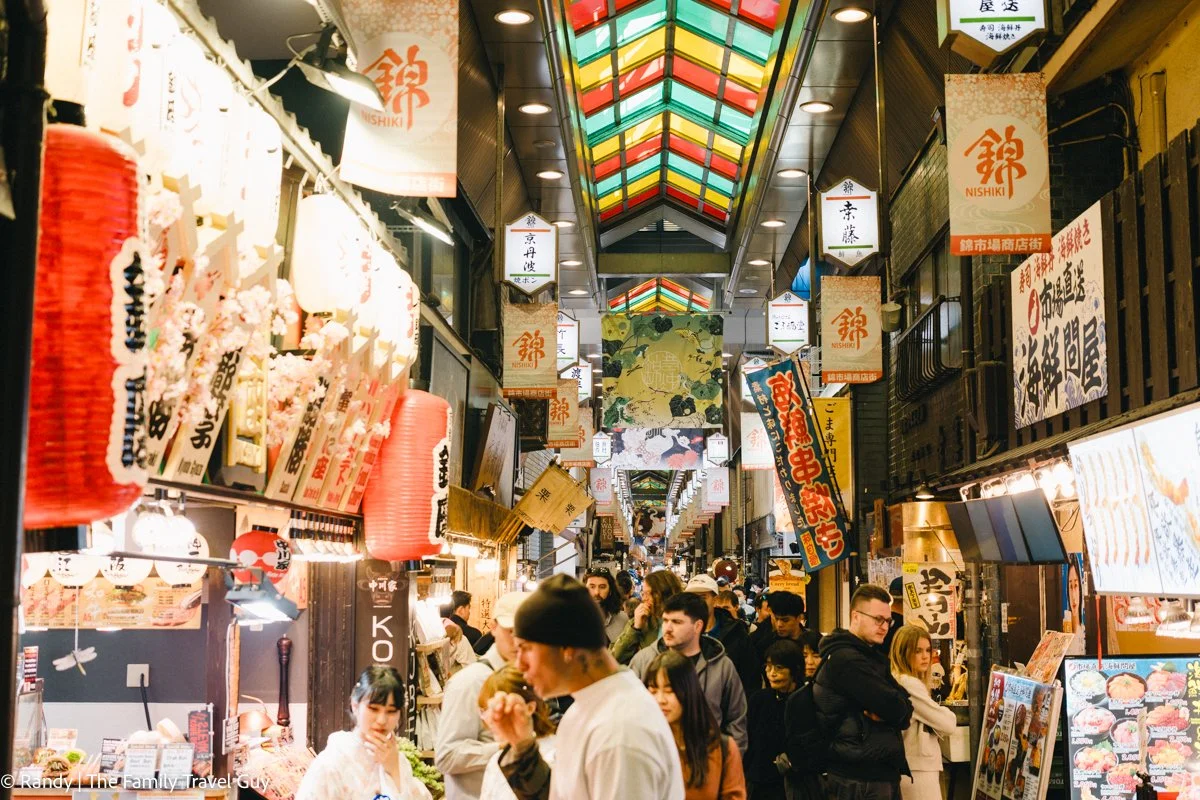
Exploring Nishiki Market
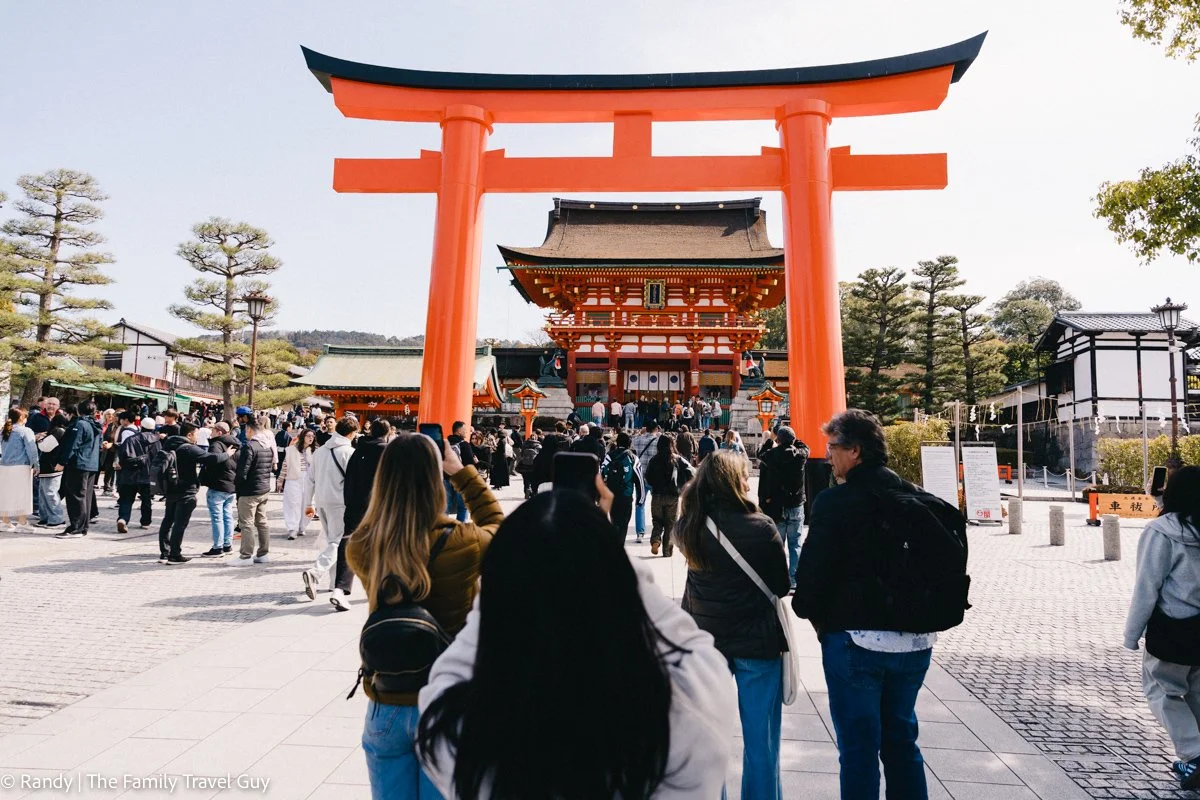
Fushimi Inari Taisha
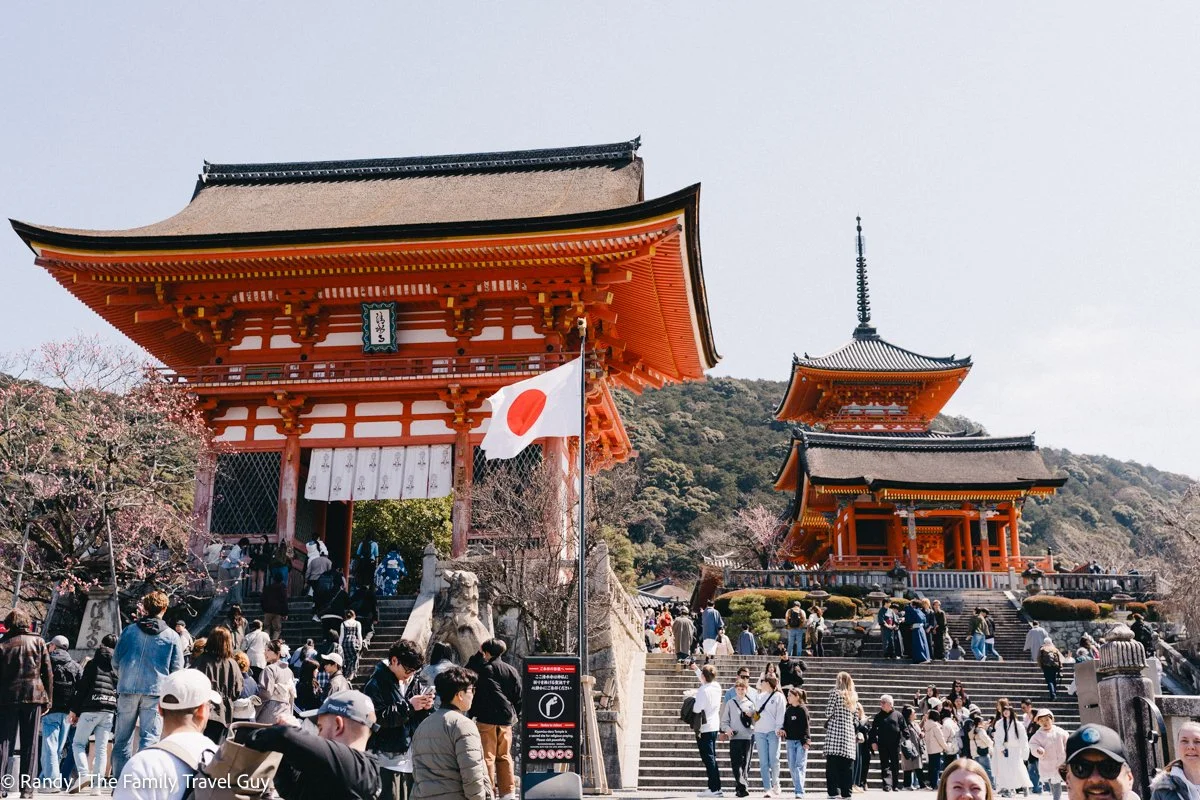
Kiyomizu-dera Temple
We made a deliberate decision to skip a few of the more crowded temples to keep the day manageable for the kids, and that was the right call.
Key Takeaway for Families
Kyoto can feel more physically demanding, so prioritizing a few meaningful experiences instead of trying to see everything makes a big difference, especially if you have limited time in the city. For a future visit, I plan on staying in Kyoto for a minimum of 3-4 full days to really experience the city.
Getting Around: Shinkansen (Bullet Train)
Taking the Shinkansen from Osaka to Tokyo was one of the highlights of the trip.
We booked seats in the Green Car (first class), which gave us:
More space
Less crowded environment
Easier luggage handling
Tips for Riding the Shinkansen from our Experience
We pre-booked our tickets exactly one month out to secure our desired seats with room for oversized luggage space behind us
We used QR codes to scan in/out of Shin-Osaka and Tokyo Stations, but could have linked our tickets to our Suica as well to make it even easier.
We booked the Green Car (first class) for a little extra space and reserved a luggage seat, which made a big difference traveling as a family. Green cars sit 2x2 and regular train cars are 3x2
We grabbed bento boxes, snacks and drinks for lunch at Shin-Osaka station before boarding (don’t skip this). They have lots of different options in the station, as well as on the train platform
The entire experience is smooth, fast, and incredibly efficient.
More tips:
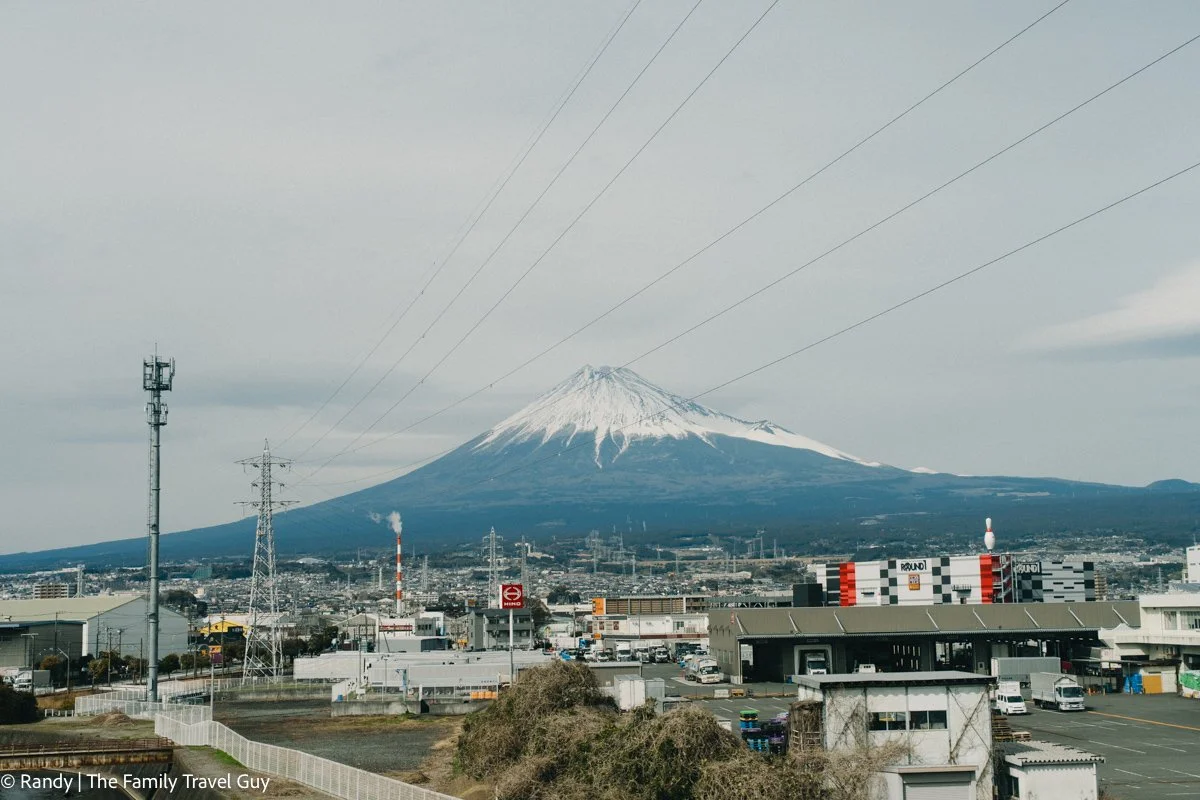
Sit on the left side (D/E seats) for the best chance to see Mt. Fuji when traveling into Tokyo
Look for Mt. Fuji ~40–50 minutes before arriving into Tokyo
For families, I’d highly recommend trying to book seats in advance, especially for window seats and luggage space
Arrive at least 45 minutes before your train departure time to avoid the stress of finding your platform and to grab food/drinks since trains run exactly on time
We got lucky with clear skies and a perfect view of Mt. Fuji, one of those simple travel moments the kids will always remember
Tokyo: Where Everything Comes Together
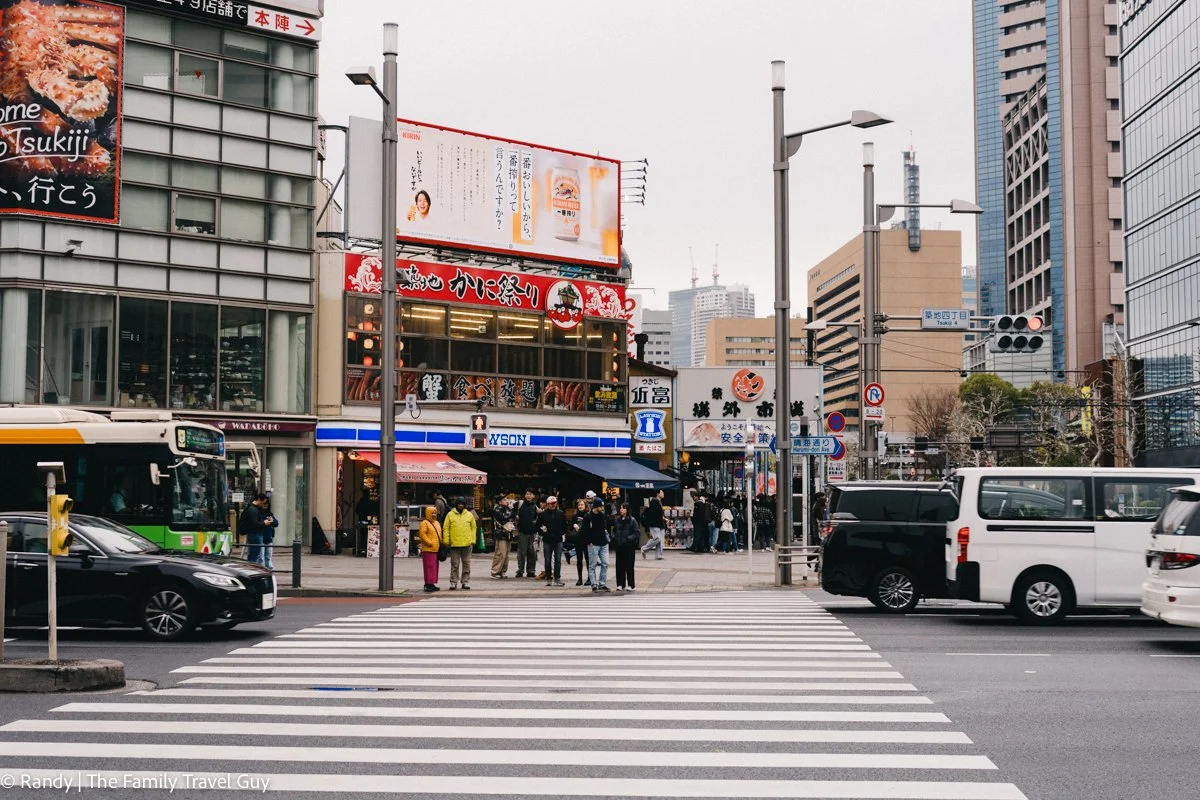
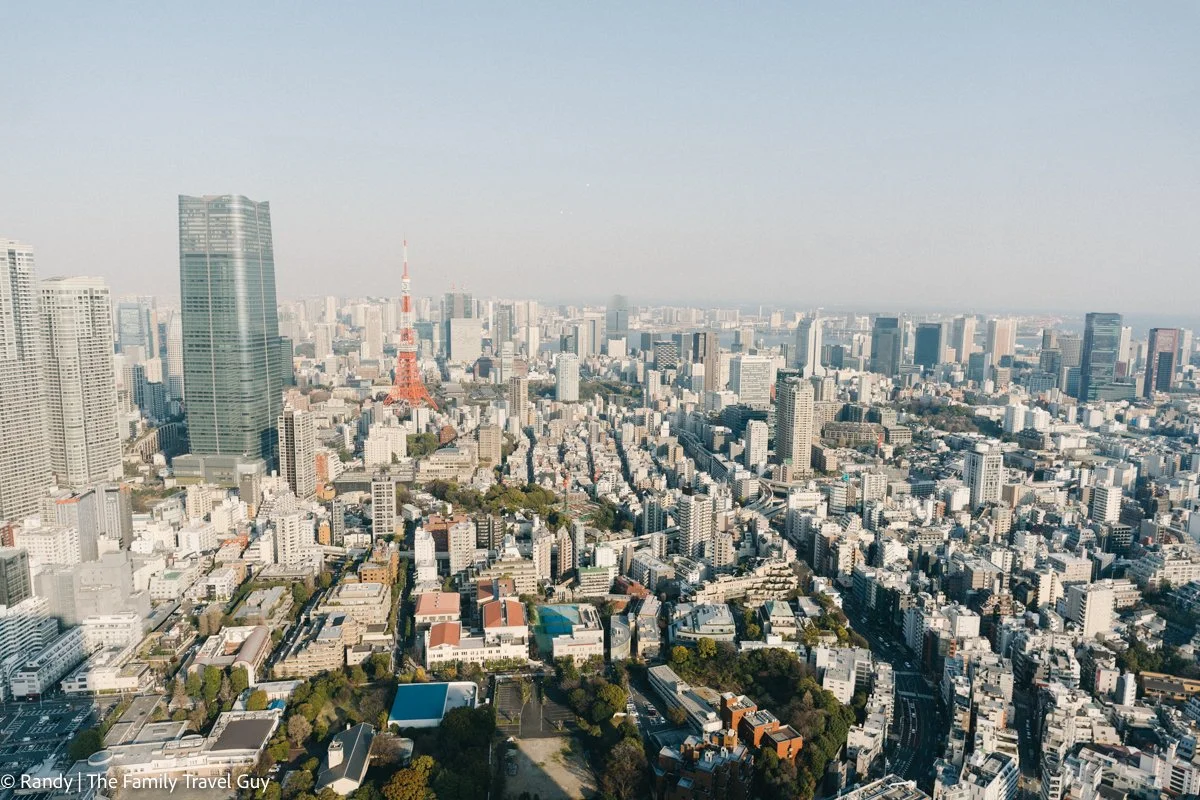
Tokyo is a completely different level of energy. It’s bigger, faster, and more complex, but still incredibly organized once you figure out the subway maps and general layout of the different area of Tokyo. Staying near a major train station is also a huge help for getting around, although taxi and Uber are also available.
How We Structured Our Time
Instead of trying to cover everything, we broke Tokyo into zones and experiences:
Shibuya and Harajuku
Shinjuku (including nighttime exploration)
Roppongi and Tokyo Tower area
teamLab Borderless
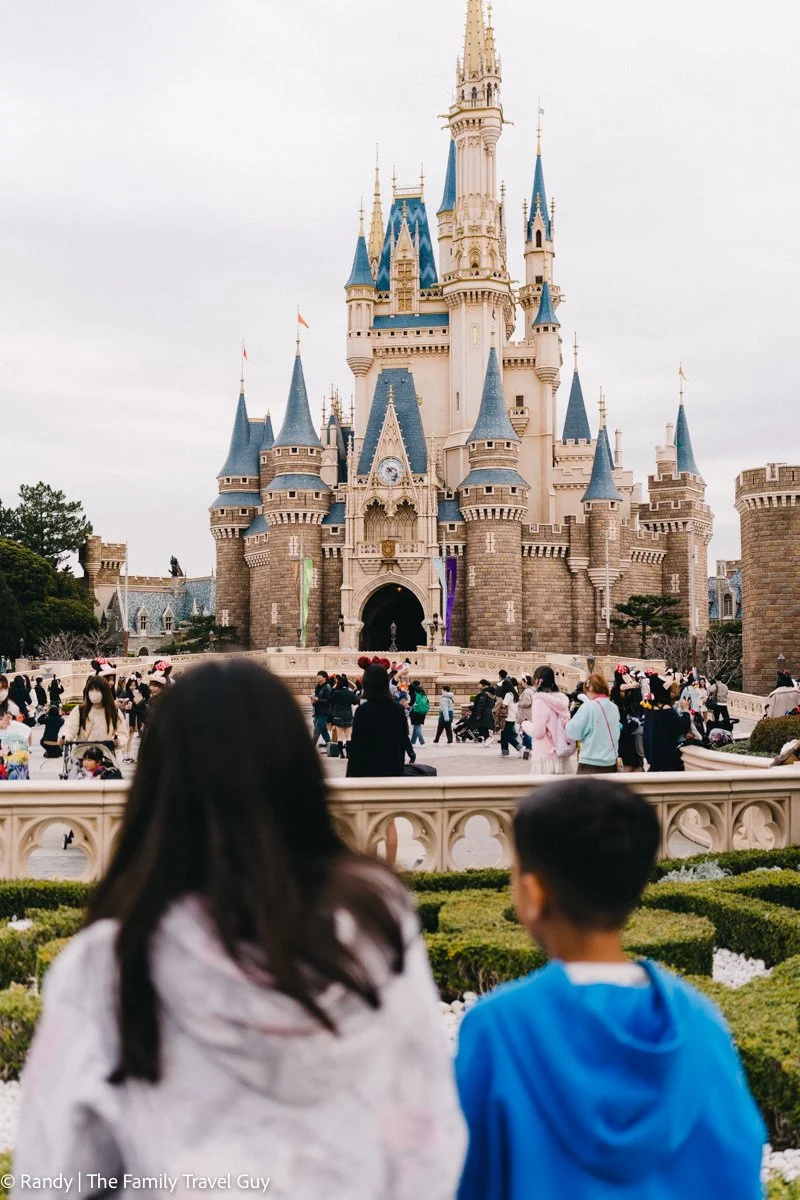
Toyko Disney Resort
This helped keep each day focused and manageable.
Private Guide Advantage
We used a private guide for a full-day Tokyo tour, which helped us:
Understand the layout of the city
Navigate transportation
Get context behind what we were seeing
It’s not required, but it definitely elevated the experience.
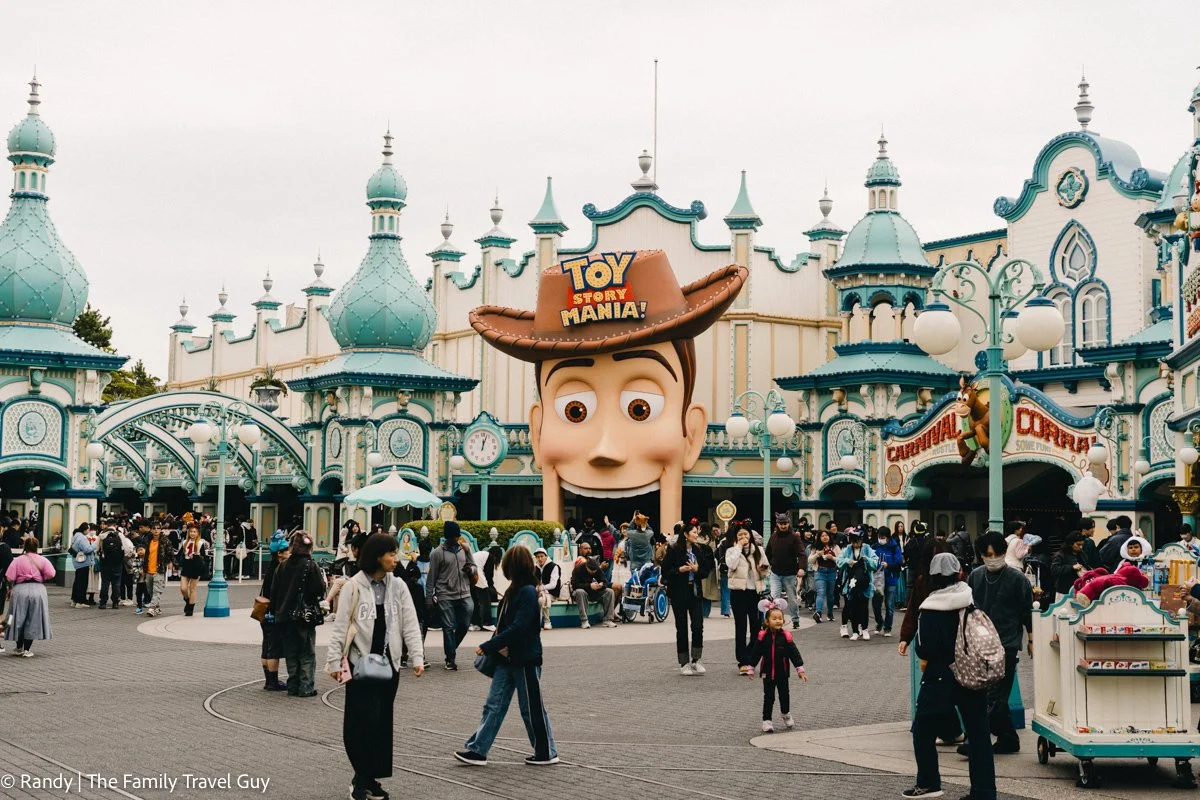
Tokyo Disney (DisneySea + Disneyland)
Tokyo Disney is a unique experience compared to the U.S. parks.
What We Did
Started at DisneySea
Spent about 5–6 hours there
Park hopped to Disneyland in the afternoon
Reality Check for Families
Lines are long
Planning matters
Kids will get tired
We ended up leaving earlier than expected to reset and prepare for the next day, and that was absolutely the right decision.
Tips for Tokyo Disney
Use Disney Premier Access (DPA) selectively
Don’t try to do both parks fully in one day
Build in flexibility
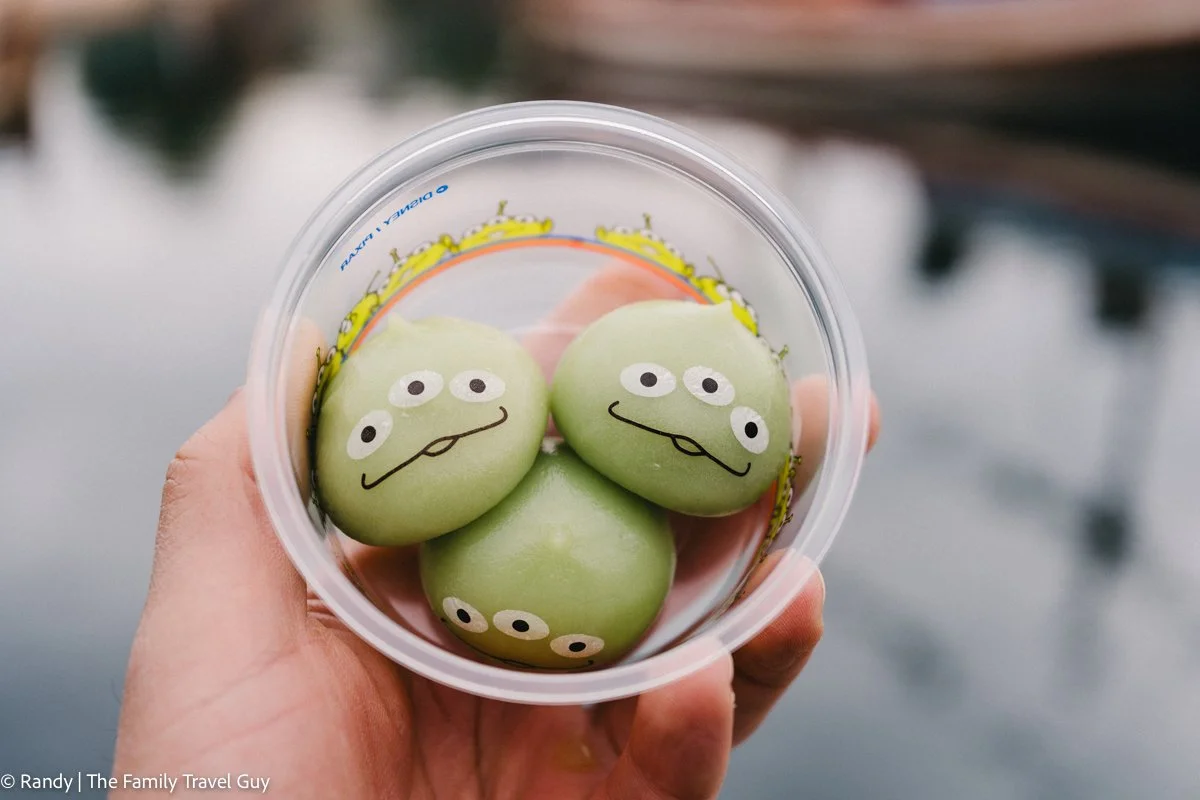
Try all of the food - popcorn, mochi, curries, and more! The food at the Tokyo Disney Resort is unique.
Where We Stayed
We prioritized space and convenience, especially traveling as a family. And when we travel we first try to look for Marriott brands, to maximize our benefits like breakfast, room upgrades, as well as having the ability to use our Marriott Bonvoy points to help save on accommodation costs.
Tokyo
Aloft Tokyo Ginza: Great location and easy access to transit
Having connecting rooms made a big difference in comfort and flexibility. The connecting rooms here were different than the Aloft Osaka Dojima and we had two rooms, one with a King bed and the second room with two doubles, with an outside connecting door that was closed for our stay.
Osaka
Aloft Osaka Dojima: Two connecting rooms worked really well. This setup included a larger suite, plus a connecting double bed room. And the location was perfect for accessing trains or grabbing a taxi or Uber
Getting Around Japan
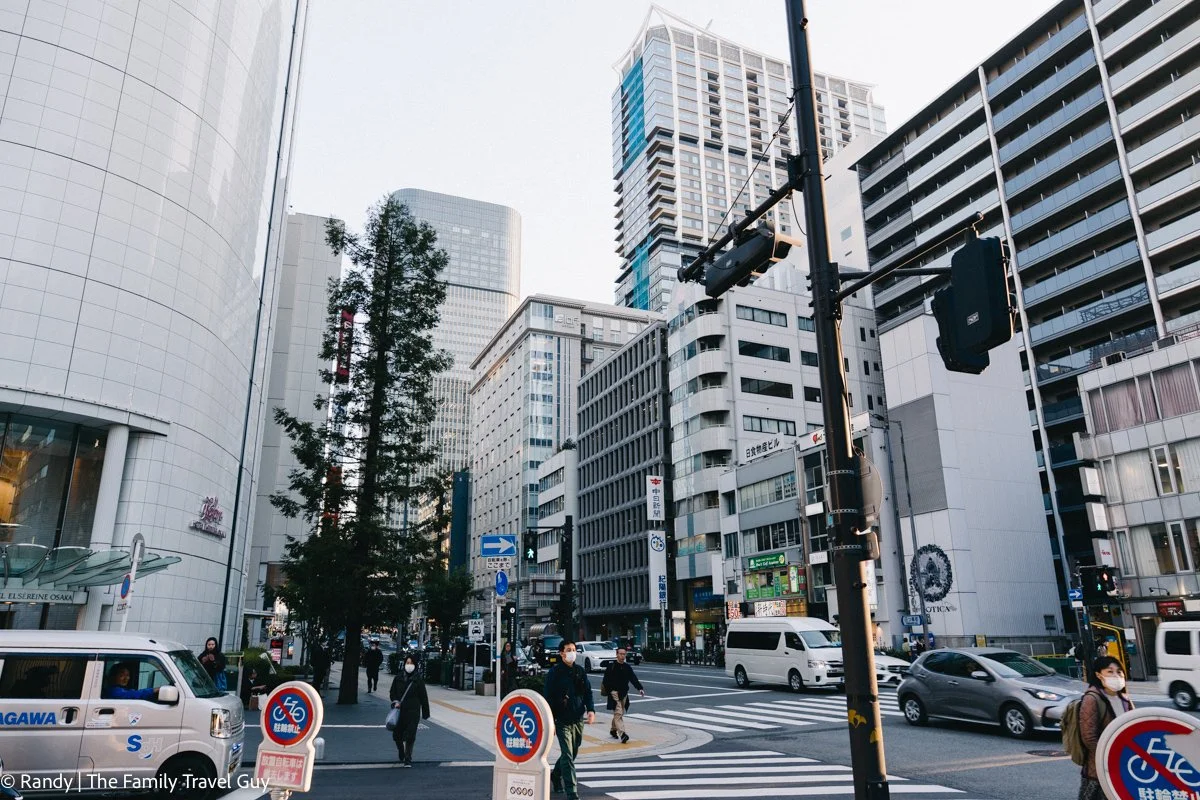
We used a combination of:
Trains and subways
Occasional Uber rides
Walking
Payment methods like Suica or PASMO made things simple, and everything is extremely well connected. Having cash available is also a good idea for temple visits, souvenir shopping and other places that may not accept credit cards. For our trip, I took out ~$400 USD combined at different points, which was equivalent to ~ 55,000 Japanese Yen (1 USD = 157 Yen during our trip)
Final Thoughts: Is Japan Worth It with Kids?
Japan exceeded expectations in almost every way.
It’s one of the few destinations where:
Logistics are easy
Experiences are unique
Food is a highlight every single day
The key is not trying to do everything. Build a flexible plan, prioritize experiences over checklists, and leave room for downtime. That’s what made this trip work so well for our family.
What to Read Next
The following posts (and more) from our March 2026 trip are coming soon!
Osaka Family Travel Guide
Kyoto with Kids: What to See (and Skip)
Tokyo Disney Strategy Guide
Riding the Shinkansen with Kids
What It Actually Costs to Travel Japan as a Family