FIFA World Cup 2026 Tickets Explained: Why Buying Tickets Felt Like a Gamble
Part 1: FIFA World Cup 2026 Tickets Explained: Lottery, Dynamic Pricing, Hospitality, and FIFA Collect Explained
The 2026 FIFA World Cup is shaping up to be one of the biggest sporting events ever held in North America.
For the first time, 48 teams will compete in 104 matches across the United States, Canada, and Mexico. For soccer fans in Northern California, the excitement is even greater because Levi's Stadium will host six matches, including five group-stage games and one Round of 32 knockout match.
For many families, this is the definition of a bucket-list experience. Unfortunately, buying tickets has been one of the most confusing, expensive, and frustrating sporting ticket processes I have ever seen.
Between lottery phases, dynamic pricing, hospitality packages, resale markets, and FIFA Collect, fans have had to navigate a system that often felt more like a financial strategy game than a traditional ticket sale. Fan experience is being put to the side to maximize FIFA profits.
The Official FIFA Ticket Sales Process
The 2026 World Cup ticket process has included several different ways to buy:
Presale registration and account setup
Random lottery phases
Dynamic pricing sales windows
Hospitality packages
Supporters allocations through national federations
Official resale marketplace
FIFA Collect Right-to-Tickets
On paper, having multiple purchase options sounds helpful. In reality, however, it meant fans had to decide:
Should I buy now or wait?
Will prices go up or down?
Will I get a better matchup later?
Am I overpaying?
What if I get nothing?
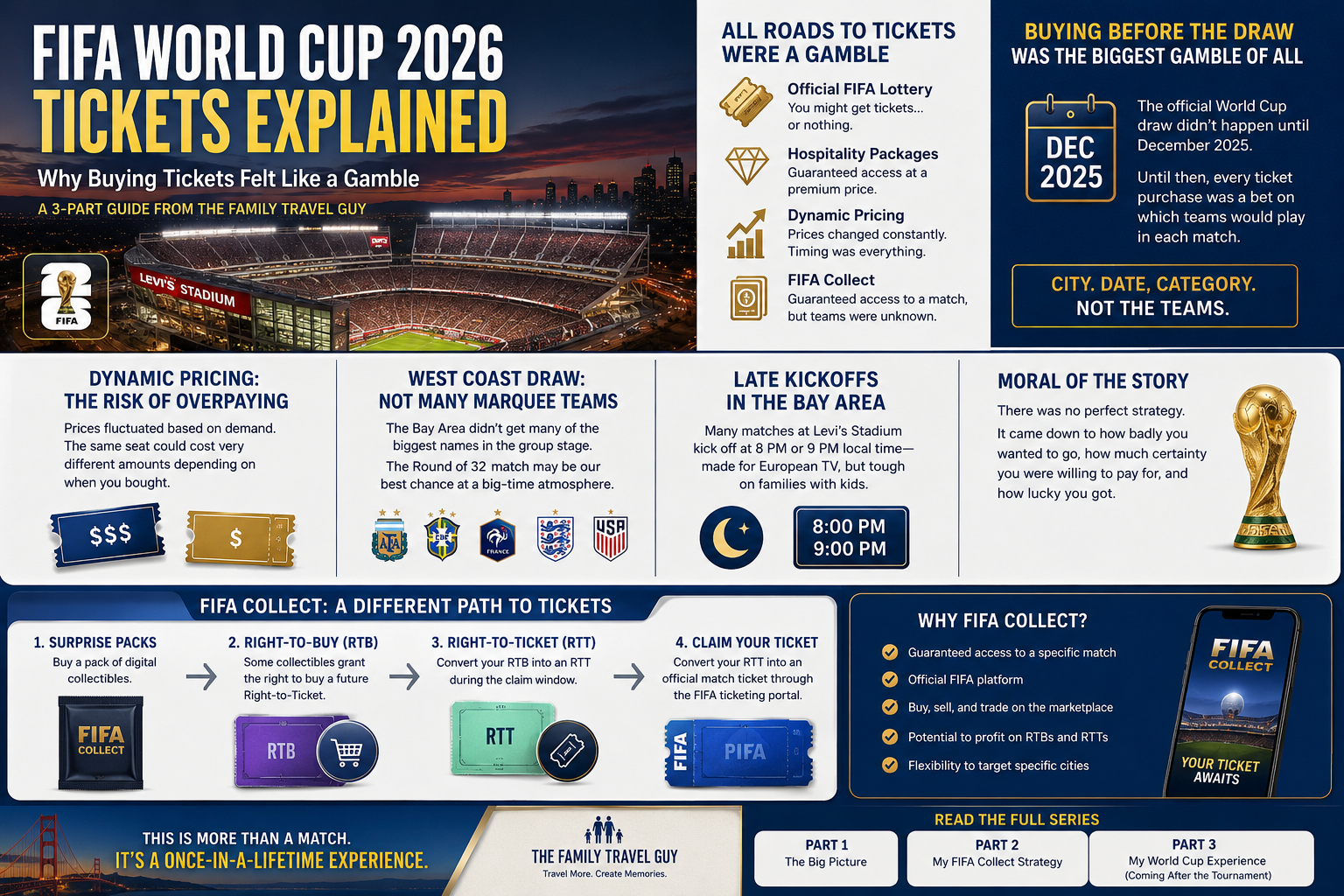
The Biggest Challenge: Buying Before the Draw
One of the single most unusual aspect of the 2026 World Cup ticket process was that fans were asked to commit significant amounts of money before the official tournament draw in December 2025.
When purchasing, you knew only the city, date, match number and ticket category and did not know which teams would be playing, whether the match would feature global powers (given the expanded format) and whether the ticket would feel worth the price after the draw. Every purchase was a gamble. And that was true whether you entered the official lottery, purchased hospitality, or bought a collectible through FIFA Collect.
Dynamic Pricing and the Risk of Overpaying
FIFA used dynamic pricing for many ticket releases. Prices had a face value price from FIFA, but they could fluctuate based on demand, similar to airline fares and hotel rooms.
As a result, two fans could buy comparable seats and pay dramatically different prices depending on when they purchased. For many supporters, the goal was simple: secure access to a once-in-a-lifetime event. That urgency likely caused some fans to overpay, which was likely by design from FIFA.
In hindsight:
Some fans bought early and paid premium prices.
Others waited and later found cheaper official tickets.
Some got lucky with marquee matchups.
Others paid top dollar for less attractive games.
Timing and luck mattered as much as strategy, but I have a feeling lots of games will have emptier stadiums and/or last minute price drops to fill those games.
Hospitality Packages: Guaranteed but Expensive
Hospitality VIP tickets were the most straightforward path to guaranteed tickets, but at a steep price. Depending on the match and package, prices ranged from approximately $1,500+ per person to several thousand dollars per ticket. I explored this in detail in an earlier article: Are FIFA World Cup 2026 Hospitality Tickets Worth the Cost?
Hospitality provided certainty, but it required paying a significant premium before the teams were even known.
FIFA Collect: A New and Unusual Option
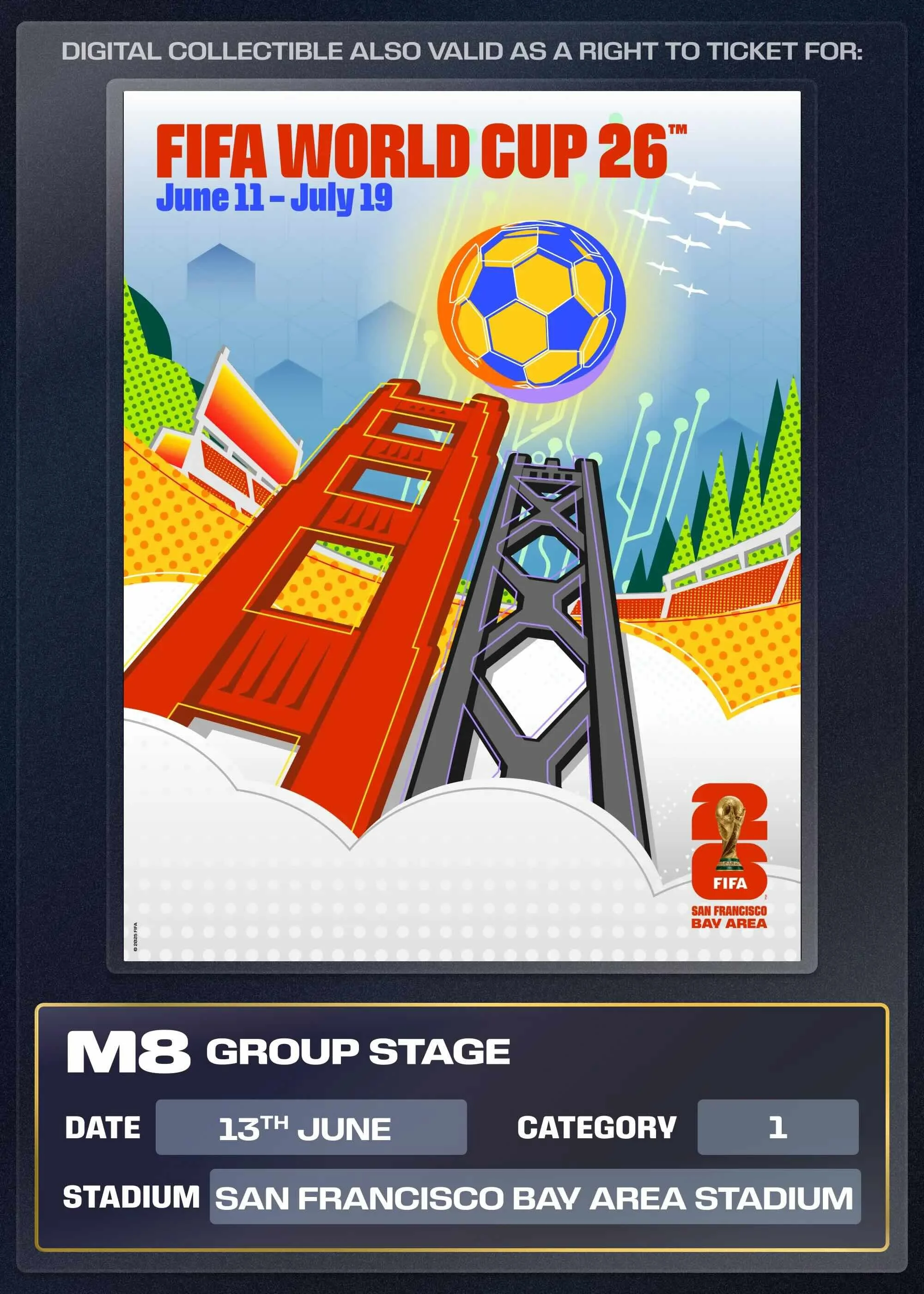
FIFA Collect introduced a very different approach. Instead of buying tickets directly, fans could purchase digital collectibles that included ticket rights. At first, many people dismissed it as just another crypto blockchain NFT-style project. In reality, it became one of the most interesting and potentially effective ways to secure World Cup access, without having to rely on luck.
I will cover my full experience with FIFA Collect in Part 2.
The West Coast Got a Tough Draw
After the December 2025 draw, many fans felt the West Coast host cities received one of the least attractive sets of group-stage matches. For the Bay Area, the group-stage schedule did not include many of the traditional marquee teams such as Brazil, Argentina, France, England, or the United States.
That was disappointing for fans who had paid premium prices before knowing the matchups. The biggest attraction at Levi’s Stadium may ultimately be the Round of 32 knockout match, where the atmosphere and stakes will be elevated regardless of the teams involved.
Late-Night Kickoff Times at Levi’s Stadium
Several matches at Levi's Stadium are scheduled to start at 8:00 PM and 9:00 PM local time. These late kickoffs appear designed to maximize television audiences in Europe.
But from a family perspective, these times are challenging.
Potential downsides include:
Kids staying out well past midnight
Long drives home after the match
Increased traffic and transportation delays
As a parent, I think 8 PM and 9 PM kickoff times are unusually late for an event many families will attend with children.
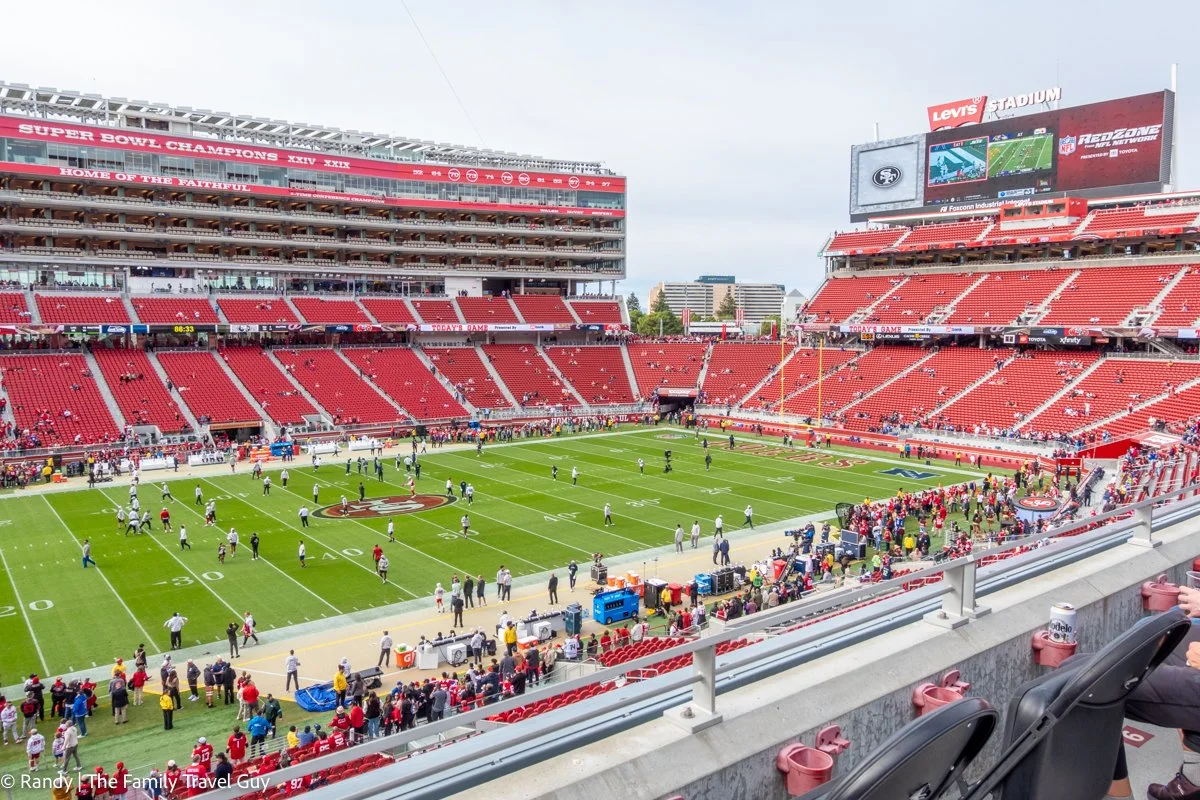
Levi’s Stadium in Santa Clara will become the “San Francisco Bay Area Stadium” for the 2026 FIFA World Cup
Timing and Luck Were Everything
The biggest lesson from the 2026 FIFA World Cup ticket process is that there was no perfect strategy.
Based on my experience and what I have seen, some fans:
Bought early and paid more.
Waited and paid less.
Got lucky in the lottery.
Missed out entirely.
Used FIFA Collect to guarantee access.
Bought and sold ticket rights for profit.
The same ticket could be a bargain or an overpayment depending on when you purchased and which teams were eventually assigned in the lottery that occurred in December 2025.
Final Thoughts
The 2026 FIFA World Cup ticket process has been a fascinating case study in uncertainty.
The official lottery was a gamble. Hospitality was a gamble. Dynamic pricing was a gamble. FIFA Collect was a gamble. And by saying everything was a gamble means trying to secure ticket before the draw. Once the draw took place and the groups and matches were known, there was at least certainty in what game and teams you were paying for, but by then ticket prices would skyrocket depending on the match or drop well below the FIFA face value price, leaving fans confused, angry and bitter about the entire experience.
In the end, buying World Cup tickets came down to three things:
How badly you wanted to attend
How much certainty you were willing to pay for
How lucky you got
For my family, the goal was simple: secure the best possible World Cup experience while balancing cost, flexibility, and guaranteed access.
In Part 2, I’ll share exactly how I used FIFA Collect to do that.