Traveling with kids is an incredible experience, but it also comes with its own set of challenges. Over the years, as we've traveled together as a family, we've learned that having a great trip isn't necessarily about visiting the most destinations, staying at the most expensive hotels, or packing every day with activities.
It's about how you plan your trip, the experiences you choose, and finding the right balance between sightseeing, convenience, and spending time together.
We've traveled through major cities, explored historic landmarks, experienced different cultures, and navigated everything from international flights and public transportation to unfamiliar languages and local customs.
Along the way, we've developed a travel style that works well for our family - We enjoy staying in centrally located hotels, incorporating private guides when it makes sense, exploring neighborhoods on foot, discovering local restaurants, and leaving enough flexibility in our schedule to enjoy the unexpected.
Here are ten family travel tips we've learned from our experiences traveling around the world.
Consider Open-Jaw Flights for Multi-City Trips
One of my favorite travel planning strategies is booking open-jaw flights when visiting multiple destinations.
Instead of flying into and out of the same city, an open-jaw itinerary allows you to arrive in one destination and depart from another.
For example, during our March 2026 trip to Japan, we flew nonstop from San Francisco to Osaka on United Airlines, traveled through Japan visiting Osaka, Kyoto, and Tokyo, and then flew nonstop home from Tokyo. This eliminated the need to return to Osaka at the end of our trip.
Depending on the destination, an open-jaw itinerary can save valuable vacation time, reduce transportation costs, and make the overall trip more efficient. It doesn't always work out to be the least expensive option, but it's worth comparing when planning a multi-city itinerary.
Our Travel Tip: When searching for flights, use the multi-city search option and compare the total costs, travel times, and convenience against traditional round-trip tickets. Using Google Flight is perfect for this as a starting point.
Choose Your Hotel Location Carefully
When choosing hotels, location is one of our biggest priorities. We generally prefer staying in centrally located hotels that provide convenient access to major attractions, restaurants, shopping, and transportation.
While staying farther outside the city center might save some money, those savings can quickly disappear when you factor in additional transportation costs and time spent traveling back and forth. This becomes even more important when traveling with kids.
Being able to return to the hotel for an afternoon break, walk to nearby restaurants, or explore a neighborhood without arranging transportation can make a significant difference. During our travels, we've found that paying a little more for the right hotel location is often worth it.
Our Travel Tip: Before booking a hotel, look at its location on Google Maps and check the travel times to the attractions and neighborhoods you plan to visit.
Consider Connecting Rooms or Suites When Traveling With Kids
Hotel room configurations can make a big difference in your family's comfort, especially on longer international trips and as your kids get older.
While a standard hotel room might be perfectly fine for a short stay, having additional space becomes more valuable when you're traveling with kids, luggage, and different sleep schedules.
For example, during a recent trip to Osaka, we stayed at Aloft Osaka Dojima and booked two connecting rooms. Our configuration included a Loft Suite with a queen bed, sofa bed, and city view, connected to an Aloft Room with two twin beds. This gave our family additional living space while allowing everyone to remain together. Plus the hotel only allowed 2 people in a standard room, so selecting two rooms was a necessity.
It's especially important to pay attention to room occupancy policies when traveling internationally, as most rooms at most accommodate 2 or 3 people maximum.
Hotels in some countries have stricter occupancy limits than what travelers from the United States might be accustomed to.
Our Travel Tip: Compare the total cost of suites, connecting rooms, and larger family accommodations rather than automatically booking a standard room. Always confirm that connecting rooms are guaranteed rather than simply requested.
Consider Booking a Private Guide for Your First Day
One of the things we've incorporated into many of our family trips is booking private guided tours. We especially enjoy doing this when visiting a new city for the first time.
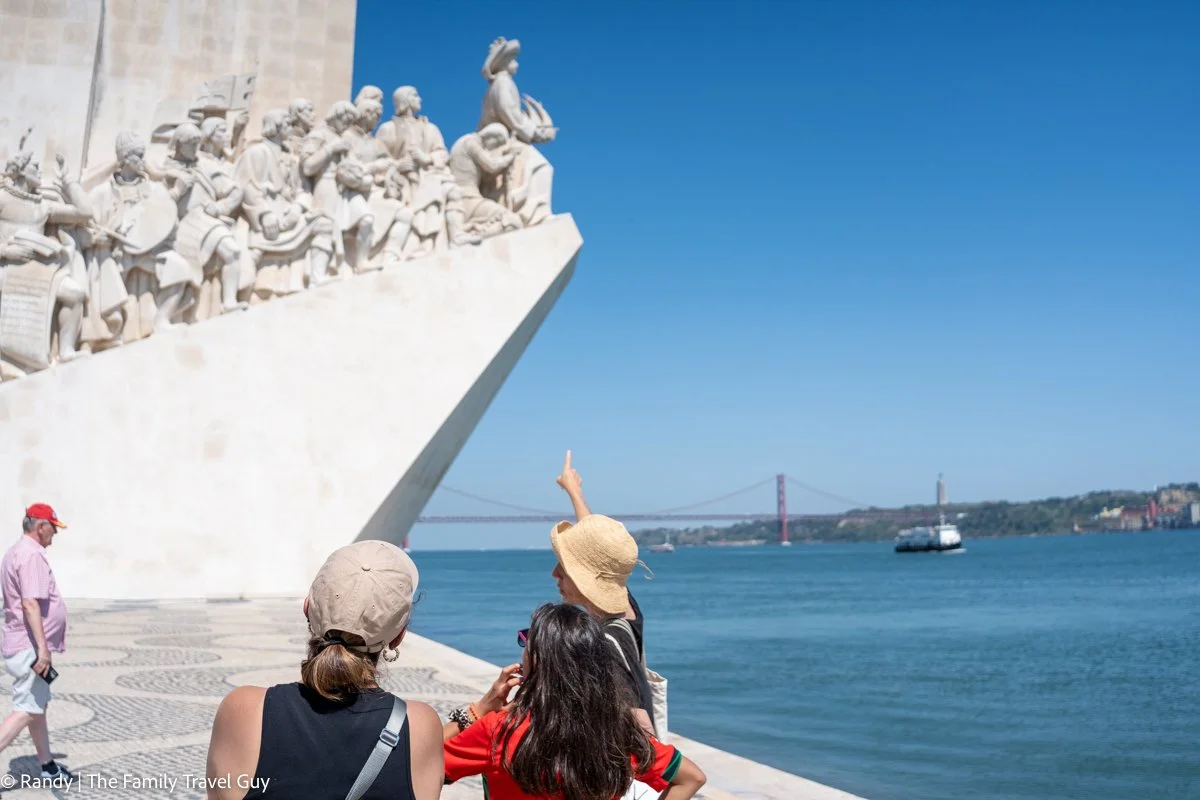
A knowledgeable local guide can provide historical and cultural context, help navigate unfamiliar destinations, and introduce you to places you might otherwise overlook.
During our trip to Japan, we explored Osaka with Goen Travel Japan and visited several historic landmarks and neighborhoods, including Osaka Castle, Shitennō-ji Temple, Shinsekai, and Dotonbori.
We've also enjoyed private guided experiences in cities throughout Europe. For families, I think the value goes beyond simply having someone show you around. A great guide can adapt the experience to your family's interests, answer questions, and make the history and culture more engaging for kids.
Our Travel Tip: Consider booking a private tour early in your stay. It's a great way to become familiar with the city and gather local recommendations for the rest of your trip.
Take Advantage of Public Transportation
One of the best ways to explore a destination is by using its public transportation system. From Japan's extensive rail network to the London Underground and metro systems throughout Europe, public transportation can be an efficient and economical way to travel between attractions.
It also gives kids the opportunity to experience how people navigate their cities in different parts of the world.
During our trip to Japan, trains and public transportation were an important part of traveling between cities and exploring different neighborhoods. Google Maps is one of our most frequently used travel tools, especially when navigating unfamiliar transit systems.
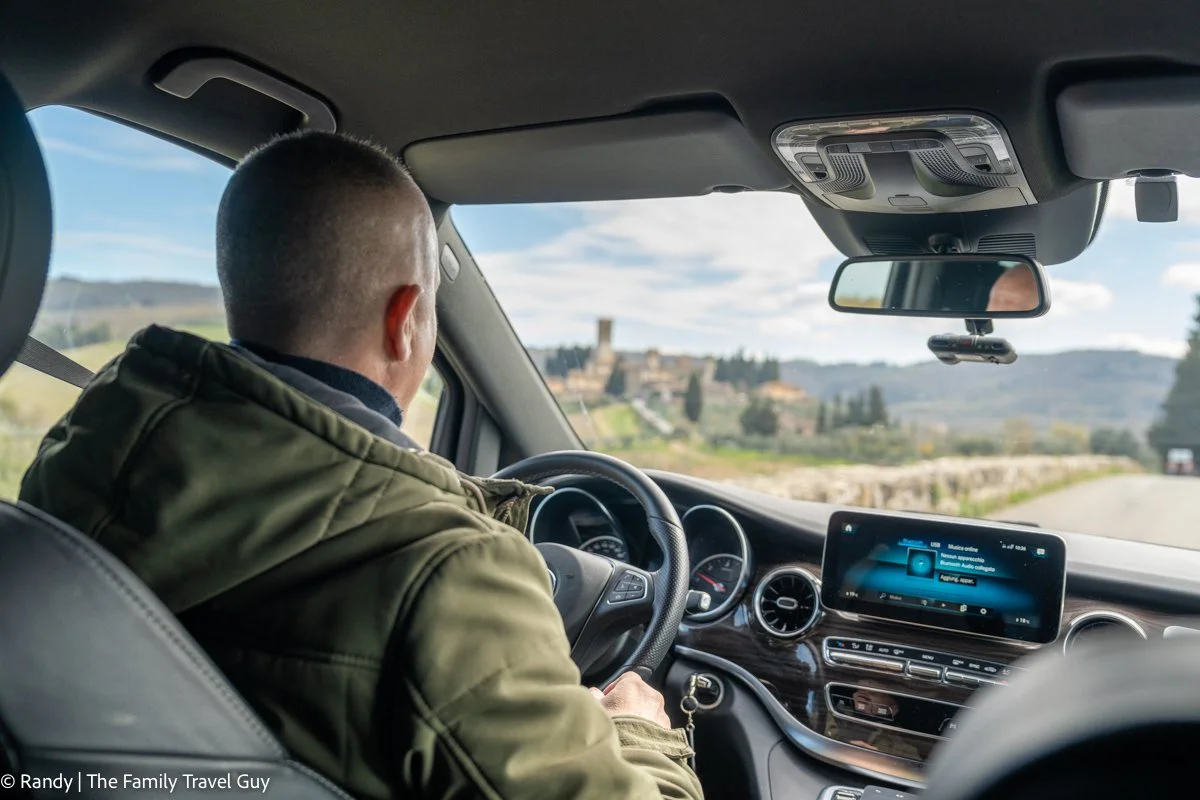
However, we don't hesitate to use a taxi or private transfer when it makes more sense. Sometimes the convenience of direct transportation is worth the additional cost, particularly after a long travel day or when carrying luggage.
Our Travel Tip: Research the transportation system before arriving, including local transit cards, airport connections, and the nearest stations to your hotel.
Plan Your Sightseeing Geographically
One of the easiest ways to make a family itinerary more efficient is to group attractions by neighborhood or location. Instead of traveling back and forth across a city several times in one day, plan to explore nearby attractions together. This reduces unnecessary transportation time and provides more opportunities to discover interesting places along the way.
For example, in Osaka, visiting Namba Yasaka Shrine, Kuromon Ichiba Market, Shinsaibashi, and Dotonbori makes sense because they're all located within the same general area.
We follow a similar approach when planning trips to major cities throughout Europe, Japan, and the United States.
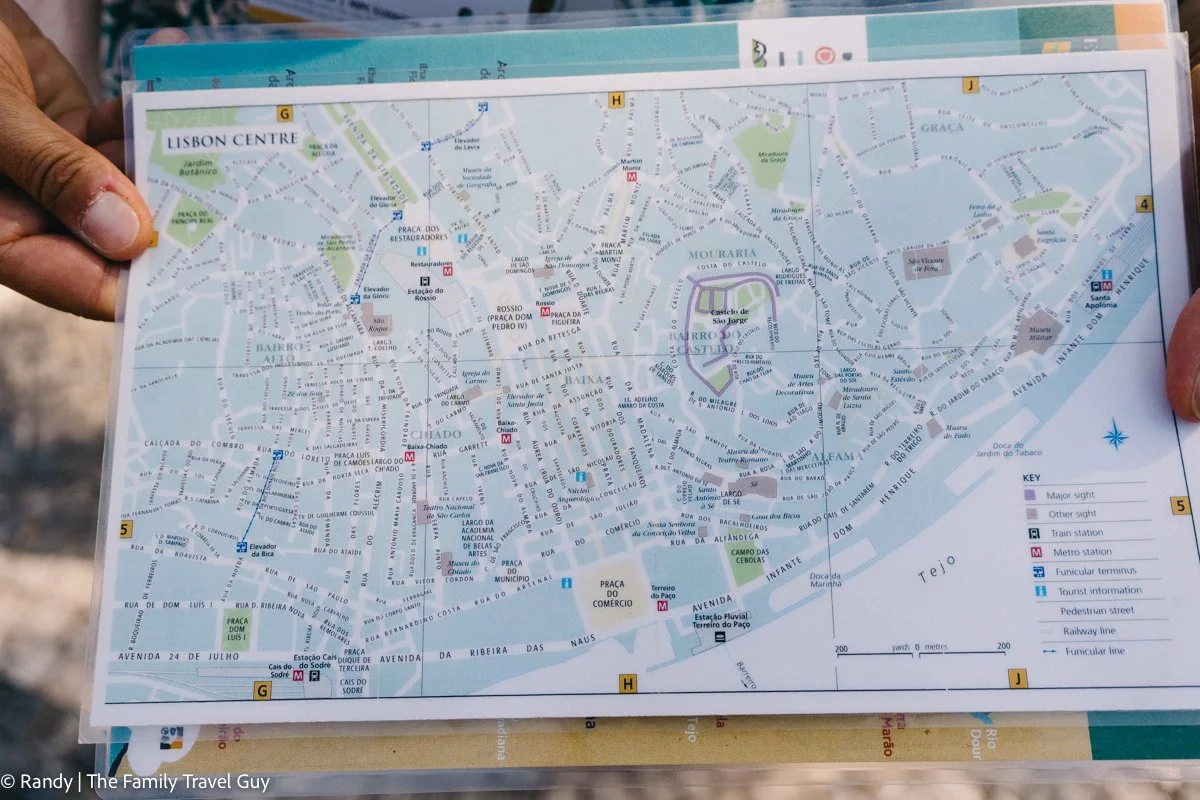
Our Travel Tip: Save attractions, restaurants, and hotels to Google Maps before your trip. This makes it easier to visualize locations and organize your sightseeing by neighborhood.
Make Time to Explore the Local Food Scene
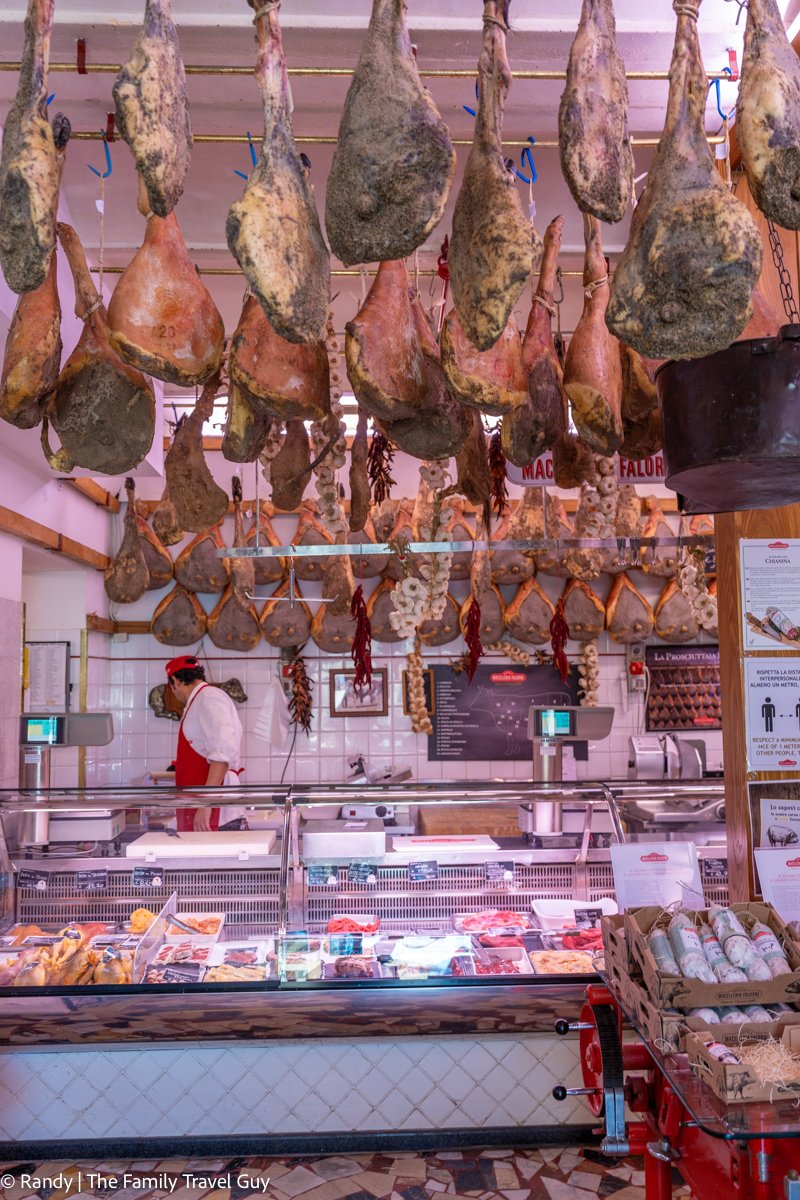
Food is one of our favorite ways to experience a destination. Whether it's discovering a neighborhood restaurant, trying a regional specialty, visiting a food market, or enjoying a casual meal at a place recommended by a local, food can become one of the most memorable parts of a trip.
During our Osaka visit, we stopped for lunch at Ki Kuya, a longtime local restaurant that had been operating for approximately 58 years. Experiences like this are a reminder that memorable meals don't always have to come from famous restaurants or elaborate dining experiences. Some of our favorite meals have been at smaller, casual places we discovered while exploring a city.
Our Travel Tip: Research a few restaurants in advance, especially for popular dining experiences, but leave room to discover local places along the way.
Build Downtime Into Your Itinerary
When planning a trip, it's tempting to fill every day with activities and attractions. After all, when you've traveled halfway around the world, you want to make the most of your time. But traveling with kids has taught us that doing more doesn't always mean having a better experience.
We try to build enough flexibility into our itineraries so that we're not constantly rushing from one activity to the next. That might mean returning to the hotel for an afternoon break, enjoying a leisurely lunch, or leaving part of the day unplanned. It's especially important during international trips when everyone is adjusting to a different time zone, unfamiliar surroundings, and a lot of walking.
Our Travel Tip: Prioritize a few must-do experiences each day and treat everything else as optional. A flexible itinerary is often more enjoyable than an overly ambitious one.
Don't Underestimate the Value of Convenience
One of the biggest lessons we've learned through traveling is that convenience can be one of the most valuable things you spend money on. For us, that might mean booking a centrally located hotel, arranging a private airport transfer, purchasing reserved train seats, choosing a larger hotel room, or hiring a private guide.
These aren't necessarily luxury experiences in the traditional sense. They're decisions that help us spend less time dealing with logistics and more time enjoying our trip. Of course, we still compare costs and look for good value. But I've learned that the cheapest option isn't always the best option, especially when you're traveling with kids.
Sometimes spending a little more can make the entire experience significantly better.
Our Travel Tip: Consider the value of your time and convenience when comparing travel options, not just the price.
Leave Room for Spontaneous Experiences
Some of our favorite travel memories weren't necessarily part of the original itinerary. They happened while wandering through an interesting neighborhood, discovering a small restaurant, meeting someone new, or coming across something unexpected.
While I enjoy planning our trips and researching destinations, I also think it's important to leave enough flexibility for those spontaneous moments. Those experiences often give us a deeper appreciation for a destination and create memories that we might not have had if every minute were scheduled.
For our family, travel is about much more than visiting famous attractions. It's about experiencing different cultures, trying new things, meeting people, and making memories together.
Our Travel Tip: Plan the important experiences, but don't feel like every hour of your trip needs to be scheduled.
Final Thoughts: The Luxury Is in How We Travel
Over the years, our approach to family travel has evolved.
We've learned that a great trip isn't necessarily about how many attractions you visit, how many countries you check off your list, or how expensive your accommodations are. It's about making thoughtful decisions that allow you to spend more time experiencing a destination and less time dealing with unnecessary stress.
For our family, that often means choosing centrally located hotels, booking private guides for certain experiences, taking advantage of convenient transportation, and building enough flexibility into our days to enjoy the unexpected.
We still plan our trips carefully, but we've also learned that some of the best moments happen when we slow down and simply enjoy where we are. Because at the end of the day, the luxury isn't necessarily where we stay or how much we spend. It's in how we travel, the experiences we share, and the memories we create together.
And that's what keeps us planning the next adventure.